US5796633A - Method and system for performance monitoring in computer networks - Google Patents
Method and system for performance monitoring in computer networks Download PDFInfo
- Publication number
- US5796633A US5796633A US08/678,934 US67893496A US5796633A US 5796633 A US5796633 A US 5796633A US 67893496 A US67893496 A US 67893496A US 5796633 A US5796633 A US 5796633A
- Authority
- US
- United States
- Prior art keywords
- computer
- performance
- monitoring
- performance data
- network
- Prior art date
- Legal status (The legal status is an assumption and is not a legal conclusion. Google has not performed a legal analysis and makes no representation as to the accuracy of the status listed.)
- Expired - Lifetime
Links
Images



Classifications
-
- G—PHYSICS
- G06—COMPUTING; CALCULATING OR COUNTING
- G06F—ELECTRIC DIGITAL DATA PROCESSING
- G06F11/00—Error detection; Error correction; Monitoring
- G06F11/30—Monitoring
- G06F11/34—Recording or statistical evaluation of computer activity, e.g. of down time, of input/output operation ; Recording or statistical evaluation of user activity, e.g. usability assessment
- G06F11/3466—Performance evaluation by tracing or monitoring
- G06F11/3495—Performance evaluation by tracing or monitoring for systems
-
- G—PHYSICS
- G06—COMPUTING; CALCULATING OR COUNTING
- G06F—ELECTRIC DIGITAL DATA PROCESSING
- G06F11/00—Error detection; Error correction; Monitoring
- G06F11/30—Monitoring
- G06F11/32—Monitoring with visual or acoustical indication of the functioning of the machine
- G06F11/324—Display of status information
- G06F11/327—Alarm or error message display
-
- G—PHYSICS
- G06—COMPUTING; CALCULATING OR COUNTING
- G06F—ELECTRIC DIGITAL DATA PROCESSING
- G06F2201/00—Indexing scheme relating to error detection, to error correction, and to monitoring
- G06F2201/86—Event-based monitoring
Definitions
- This invention relates generally to computer networks and more particularly to a method and system for monitoring the performance of a computer in a computer network.
- a server is a shared resource
- the capabilities that the server needs to possess to adequately serve the client computers vary depending upon the number of users of the shared resources. As the number of client computers grows, demands on a server will often increase.
- the capabilities of the server may affect the amount of time it takes for a client to access a shared resource on a server. If the server does not have sufficiently high performance characteristics, clients may incur greater delays in waiting to access shared resources. Network planners thus take server performance into account when designing a network and when upgrading a network.
- the performance level desired for a particular server in a particular computer network may vary considerably.
- One way to determine the performance desired for a particular server in a particular network is to study the performance of existing servers on that network over time. By gathering performance statistics, network planners can better determine the performance level desirable for upgrades either to specific servers or to the network as a whole such as by adding additional servers.
- Network planners will normally use some type of performance monitoring software to aid in the task of monitoring computer performance.
- existing performance monitoring software normally requires human intervention.
- a network planner often must be either physically present at the computer whose performance he desires to monitor or logged onto that computer from a remote location.
- performance monitoring may be time consuming because a network operator will normally need to be physically present when using performance monitoring software.
- a network operator might spend a day or several days simply obtaining a small amount of performance data from each server in the network.
- Existing performance monitoring software normally has a number of built-in functions. Adding additional functions desired by a particular network operator may be difficult and expensive. Existing programs that require network operator intervention are also not useful in detecting server performance that has become so critical that the server may fail or that the entire network may fail. This performance data might only be obtained if the network operator happens to be monitoring the performance of the particular server at the time when its performance becomes critical. Existing performance monitoring software, therefore, is not particularly helpful in predicting either server or network failure.
- One aspect of the invention is a method for monitoring the performance of a first computer coupled to a computer network.
- Another aspect of the invention is a method for generating an alert when the performance of a computer coupled to a computer network has reached an alertable level.
- performance data is automatically repeatedly obtained by the first computer, the data comprising at least one performance value measuring the performance of the first computer.
- the performance data is automatically sent over the computer network to a second computer coupled to the computer network.
- the performance data is logged to a performance database using the second computer.
- the invention has several important technical advantages.
- the invention allows performance monitoring of computers in a computer network to be handled automatically without human intervention.
- the invention allows recording of performance data in a central database, providing network planners with a tool to analyze the historical performance of computers in the computer network as well as the performance of the network itself.
- network planners may use the database to monitor usage trends among various computers connected to the computer network.
- the invention allows the generation of alerts that indicate points at which the performance of a computer has become alertable.
- This feature of the invention allows a network operator to give immediate attention to a performance problem. Such immediate attention may result in fewer network failures, fewer server failures, less down time for both the network and servers, as well as higher productivity of network users resulting from the lower downtime of the network.
- the invention also allows network operators to track important events occurring on individual computers in the network.
- the invention forwards these events to a central monitoring location so that a network operator may take action in response to these events.
- the invention allows filtering of events so that only important events are forwarded to the central location.
- system administrators can gather data from a number of servers in a client/server network. Gathering data in a central location increases the efficiency of system administrators.
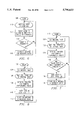
- FIG. 1 illustrates a computer network using the method and system of the present invention
- FIG. 2 illustrates a computer that may be used in the computer network of FIG. 1;
- FIG. 3 illustrates a block diagram of a monitoring and tracking agent constructed in accordance with the teachings of the invention
- FIG. 4 illustrates a block diagram of a monitoring and tracking listener with listener extensions constructed in accordance with the teachings of the invention
- FIG. 5 illustrates a flow chart of the operation of the monitoring and tracking agent of FIG. 3;
- FIG. 6 illustrates a flow chart of the operation of the event capture thread of the monitoring and tracking agent of FIG. 3;
- FIG. 7 illustrates a flow chart of the operation of the alert thread of the monitoring and tracking agent of FIG. 3;
- FIG. 8 illustrates a flow chart of the operation of the logging thread of the monitoring and tracking agent of FIG. 3;
- FIG. 9 illustrates a flow chart of the operation of the monitoring and tracking listener application of FIG. 4.
- FIG. 10 illustrates a flow chart of the operation of the statistics gathering thread of the monitoring and tracking listener application of FIG. 4.
- FIGS. 1-10 of the drawings like numerals being used for like and corresponding parts of the various drawings.
- FIG. 1 illustrates a computer network 10 that employs the performance monitoring method and system of the present invention.
- Computer network 10 comprises a plurality of monitored computers 12 networked to a number of monitoring computers 14. Although this embodiment has two monitored computers 12 and two monitoring computers 14, other embodiments of the invention may have either a different number of monitored computers 12 or monitoring computers 14. Ordinarily, the monitored computers 12 will be server computers but could be any type of computer.
- Computer network 10 may comprise any type of computer network such as a local area network or wide area network.
- Monitoring and tracking agent 16 which comprises a program that is run by monitored computer 12, monitors the performance of monitored computer 12. Monitoring and tracking agent 16 sends performance data to monitoring and tracking listener 18, which is a program running on monitoring computer 14. Monitoring and tracking listener 18 may, in turn, forward the data obtained from monitoring and tracking agent 16 to one or more listener extensions 20, which comprise programs running on monitoring computer 14.
- Monitoring and tracking agent 16 will normally run as an operating system service on monitored computer 12.
- monitoring and tracking agent 16 is a WINDOWS NT service.
- Monitoring and tracking agent 16 may perform several functions related to performance monitoring of monitored computer 12. Monitoring and tracking agent 16 monitors the performance of monitored computer 12 over time and captures performance data reflecting one or more aspects of the performance of monitored computer 12. At preset intervals, it stores the data in a log file and notifies monitoring and tracking listener 18 that it has new data. When monitoring and tracking listener 18 is ready to gather the performance data, it retrieves previously ungathered performance data from monitoring and tracking agent 16.
- Monitoring and tracking agent 16 also generates alerts if one or more aspects of the performance of monitored computer 12 has reached a critical level. Monitoring and tracking agent 16 monitors the performance of monitored computer 12 at preset intervals and compares one or more performance parameters to preset thresholds. If the comparison to a threshold indicates that performance has become alertable, monitoring and tracking agent 16 generates an event which is sent to the local operating system event log of monitored computer 12 and sends a message to monitoring and tracking listener 18 with the information regarding the alert.
- Monitoring and tracking agent 16 also monitors operating system events on monitored computer 12. Each time a new event is placed in the operating system event log (the WINDOWS NT event log in this embodiment), monitoring and tracking agent 16 processes the event. If the user of monitoring and tracking agent 16 has indicated that this type of event has a high enough priority to monitor directly, then monitoring and tracking agent 16 sends a message with the event information to monitoring and tracking listener 18. Low priority events are filtered out and ignored.
- the operating system event log the WINDOWS NT event log in this embodiment
- Monitoring and tracking agent 16 may also be used to monitor configuration changes for monitored computer 12. Each time that monitoring and tracking agent 16 is started, it analyzes the current system configuration of monitored computer 12 to determine whether any changes have been made since the prior time that monitoring and tracking agent 16 was started. If changes have been made, these changes are sent to monitoring and tracking listener 18 so that monitoring computer 14 may keep track of the most current configuration of monitored computer 12.
- Monitoring and tracking listener 18 will normally be run as an operating system service on monitoring computer 14.
- monitoring and tracking listener 18 comprises a WINDOWS NT service running on monitoring computer 14.
- Monitoring and tracking listener 18 receives messages and data from monitoring and tracking agent 16.
- Monitoring and tracking listener 18 also dispatches data and messages to one or more plug-in listener extensions 20.
- Listener extensions 20 may then direct some or all of the data to databases, a central console, or simple text files. Monitoring and tracking listener 18 could also perform some of these functions itself rather than handling these functions using listener extensions 20.
- FIG. 2 illustrates a general purpose computer 24 that may be used for either monitored computer 12, monitoring computer 14, or both.
- Computer 24 may be adapted to execute any of the well known MSDOS, PCDOS, OS2, UNIX, MOTIF, MAC-OS, X-WINDOWS, and WINDOWS operating systems, or other operating systems.
- Computer 24 comprises processor 26, random access memory (RAM) 28, read only memory (ROM), 30, mouse, 32, keyboard 34 and input/output devices such as printer 38, disk drives 36, display 40 and communications link 42.
- RAM random access memory
- ROM read only memory
- the present invention includes computer software that may be stored in RAM 28, ROM 30, or disk drives 36 and is executed by processor 26.
- Communications link 42 is connected to computer network 10, but could also be connected to a telephone line, an antenna, a gateway, or any other type of communications link.
- Disk drives 36 may include a variety of types of storage media such as, for example, floppy disk drives, hard disk drives, CD-ROM drives, or magnetic tape drives.
- FIG. 3 illustrates a block diagram of an embodiment of monitoring and tracking agent 16 constructed in accordance with the invention.
- Monitoring and tracking agent 16 is preferably a multi-threaded application that can efficiently process performance data.
- the structure of monitoring and tracking agent 16 illustrated in FIG. 3 is only one of many possible structures and other structures could be used to perform the functions of the invention.
- monitoring and tracking agent 16 need not be a multi-threaded application.
- Monitoring and tracking agent 16 comprises configuration procedure 44, log capture thread 46, alert thread 48, logging thread 50, event transport thread 54, configuration queue thread 47, performance data procedure 58 and connection manager thread 62. Monitoring and tracking agent 16 communicates with operating system 64. Operating system 64 comprises the operating system for monitored computer 12. In addition, monitoring and tracking agent 16 maintains event queue 52, performance data file 56, and connection list 60. Although the operation of monitoring and tracking agent 16 will be more fully described in connection with FIGS. 5-8 below, a description of the operation of each component is now provided.
- Configuration procedure 44 is invoked by a main thread (not explicitly shown), which handles initialization as well as configuration change reporting.
- configuration procedure 44 gathers system configuration information such as information about the operating system, hardware, software, memory, logical disks, system environment, services and drivers, and install devices of monitored computer 12. This information can be used to track configuration changes such as software updates and hardware upgrades for monitored computer 12.
- Configuration procedure 44 also starts configuration queue thread 47.
- Configuration procedure 44 obtains the configuration information from operating system 64.
- configuration procedure 44 obtains the configuration information from the WINDOWS NT registry file maintained by operating system 64.
- Configuration procedure 44 compares the obtained configuration information with prior configuration information that configuration procedure 44 maintains in a file (not explicitly shown).
- configuration procedure 44 If the configuration information is unchanged, configuration procedure 44 simply terminates. If the configuration information has changed, configuration procedure 44 generates a message for monitoring and tracking listener 18 containing the configuration information. Configuration procedure 44 places this message in configuration changes queue 45. Configuration queue thread 47 reads configuration changes out of configuration changes queue 45 and sends to listeners appearing on connection list 60 as described below.
- configuration information that may be obtained by configuration procedure 44 regarding the operating system include the date of installation, the registered owner, the registered organization, the current version, the system root directory, the current version of operating system, the product type, the build number of the operating system, and various start-up options of the operating system.
- Examples of configuration information that configuration procedure 44 may obtain regarding the hardware include the OEM ID, the system BIOS date, the page file size for virtual memory, the minimum application address, the maximum application address, the processor type, and number of processors.
- Examples of configuration information that configuration procedure 44 may obtain regarding the memory include the current load, the total physical memory, the available physical memory, the total page file, the available page file, the total virtual memory size, and the available virtual memory size.
- Configuration procedure 44 may also obtain configuration information regarding the services and drivers available on the system.
- Examples of the configuration information about each service or driver include the name of the service or driver, its status, the service type, the start-up configuration, the full path name of the executable image, the file size, the file date, the version number, the location of the raw version, and the location of the ASCII version.
- Log capture thread 46 is used to monitor events occurring on monitored computer 12. Log capture thread 46 processes each event received by an event log associated with operating system 64. In this embodiment, the event log is the WINDOWS NT event log. Log capture thread 46 monitors the event log for new events. If a new event is posted to the event log, log capture thread 46 will process that event.
- Log capture thread 46 provides a filtering feature when processing events. If an event is filtered out, log capture thread 46 ignores that event. If an event was not filtered out, then log capture thread 46 generates a message indicating that an event has occurred, wherein the message includes data about the event. Log capture thread 46 places the message in event queue 52. The message will eventually be forwarded to monitoring and tracking listener 18.
- operating system 64 has multiple event logs that are monitored by log capture thread 46. Each event log obtains events from specific sources in monitored computer 12. Each event also is associated with an event identification number identifying particular events. Log capture thread 46 may filter events based upon the event log in which they appear, the source of the event, and/or the event identification number. Filters can include or exclude specific event identification numbers, event sources, or event logs. Filtering is hierarchical in this embodiment: event identification first, event source second, and event log last. A flag may be used to indicate whether to include or exclude events with a specific identification number, source, or event log.
- Alert thread 48 monitors various performance counters reflecting the performance of monitored computer 12, calculates performance values for those counters and compares those values to predetermined thresholds. If the comparison indicates that the performance of monitored computer 12 has reached an alertable level, then alert thread 48 generates an alert. Alerts generated by alert thread 48 comprise a message identifying the message as an alert and including data about the alert. Alert thread 48 places such alert messages in event queue 52.
- Alert thread 48 obtains performance information about monitored computer 12 using counters maintained by operating system 64. Each counter reflects one aspect of the performance of monitored computer 12.
- the counters comprise WINDOWS NT performance counters maintained by the WINDOWS NT operating system.
- Alert thread 48 monitors these counters at an adjustable time interval which is determined by the user of monitoring and tracking agent 16. After the passage of each interval of time, alert thread 48 captures the values of the performance counters, calculates performance values based upon the counters, and compares the performance values to predetermined threshold values determined by the user of monitoring and tracking agent 16.
- a performance value might be the value of a performance counter itself.
- the user of monitoring and tracking agent 16 may associate various levels of performance of a particular performance value with different levels of alerts such as harmless, medium severity, or critical. The transmission of an alert indicates that the performance of monitored computer 12 has reached an alertable level.
- Alert thread 48 may monitor many different performance counters. For example, alert thread 48 may monitor the percentage of free space remaining on each logical disk associated with monitored computer 12. In this embodiment, an alert is generated when the percentage of free space is less than five percent. This alert provides a warning that a work station or server logical drive is becoming full and could prevent users from saving data and/or cause performance degradation.
- alert thread 48 also monitors the percentage of time that a processor is busy executing a non-idle thread. This performance data could be viewed as a measure of the percentage of time that the processor of monitored computer 12 spends doing useful work. Each processor of monitored computer 12 is assigned an idle thread in the idle process which consumes unused processor cycles. This alert may identify sustained high processor utilization which may indicate that a process is running improperly or that the processor is approaching capacity. In this embodiment, an alert is generated if the percentage of time that a processor is busy executing a non-idle thread exceeds 85 percent.
- Alert thread 48 in this embodiment, also monitors the rate at which the operating system switches between threads. Thread switches can occur either inside a single process or across multiple processes. A thread switch is caused either by another thread requesting processor time or by a higher priority thread preempting the current thread. Excessive context switches between threads may indicate that the operating system of monitored computer 12 is overburdened or causing performance degradation. In this embodiment, an alert is generated if the number of context switches per second exceeds 2,000.
- Alert thread 48 also monitors the percentage of free space available in each paging file. As the percentage of free space decreases, this performance value may indicate that the operating system is approaching the limits of its virtual memory. If the paging files are full, the operating system of monitored computer 12 may halt. Monitoring of this performance value may allow a command to monitored computer 12 to increase the size of its paging file to accommodate the operating system demands. In this embodiment, if the paging files are over 80 percent full, an alert is generated.
- Alert thread 48 also monitors the amount of physical memory available to the operating system. If a process running on monitored computer 12 requires more RAM than is available, the operating system must swap another process out to the paging files to free memory, which may slow system performance. As the availability of physical memory shrinks, the operating system must swap more processes in and out of memory and performance may degrade. Monitoring of this performance data may allow a message to be sent to monitored computer 12 to cease executing extraneous processes. In this embodiment, an alert is generated if the available physical memory falls below one megabyte.
- Alert thread 48 also monitors the number of times that the operating system is not able to assign a work item to service a request. If a process is not assigned a work item, it will not be serviced by the operating system and must wait before proceeding. Monitoring of this performance data may allow a message to be sent to monitored computer 12 to tune the operating system to provide more work items to service requests. In this embodiment, if the number of work item shortages is greater than 30, an alert is generated.
- Alert thread 48 also monitors the number of times an internal server error was detected. Under normal circumstances server errors should not occur. Unexpected errors usually indicate a problem with the operating system and can result in an operating system halt. Monitoring of this performance information may allow a network administrator to take action before the halt of the operating system of monitored computer 12. In this embodiment if the number of system errors exceeds ten, then an alert is generated.
- Logging thread 50 handles logging of performance data.
- Logging thread 50 logs performance data each predetermined time interval. The predetermined time interval may be set by the user of monitoring and tracking agent 16 and may or may not be the same as the interval over which alert thread 48 monitors performance for purposes of generating alerts.
- logging thread 50 obtains the values of performance counters from operating system 64. From this data, logging thread 50 may calculate performance values based upon the counters. Some of the counters may also comprise performance values without further calculation.
- Logging thread 50 stores the relevant performance data with a time stamp identification in performance data file 56.
- Performance data file 56 is a data file that may be stored on the disk drives 36 of monitored computer 12. After obtaining the performance data and storing it in performance data file 56, logging thread 50 causes data to be placed in connection list 60 indicating the date and time at which the performance data was captured. If this time and date is later than an existing entry, than the existing entry is maintained.
- logging thread 50 monitors a number of performance values.
- the user of monitoring and tracking agent 16 may choose which performance values to monitor and may disable the monitoring of others.
- performance values monitored by logging thread 50 include the available bytes of memory, the cache bytes available, the committed bytes, the number of page faults per second, the number of cache faults per second, the peak number of cache bytes, the number of pages per second, the size of the paged bytes pool, and the size of the non-paged bytes pool.
- Logging thread 50 also monitors performance data relating to the operating system of monitored computer 12.
- performance values include the percentage of total operating system privilege time, the percentage of total processing time, the percentage of total user time, the number of context switches per second, the number of file control bytes per second, the number of file control operations per second, the number of file data operations per second, the number of file read bytes per second, the number of file read operations per second, the number of file write bytes per second, the number of file write operations per second, the number of system calls per second, the total number of interrupts per second, and the system up time.
- Logging thread 50 also monitors performance data relating to the physical disks of monitored computer 12. Examples of performance values monitored by logging agent 50 include the percentage of time devoted to disk access, the percentage of time devoted to disk reads, and the percentage of time devoted to disk writes. Similar counters may be monitored for each logical disk and the percentage of free space on each logical disk may also be monitored. The percentage usage of the paging file may also be monitored by logging thread 50.
- Logging thread 50 monitors the number of work item shortages, the number of server sessions, the number of pool non-paged failures, the number of pool paged failures, and the number of system errors. Other performance values may be monitored without departing from the scope of the invention.
- monitoring and tracking listener 18 retrieves the performance data from performance data file 56 when it is not performing higher priority functions.
- monitoring and tracking agent 16 and monitoring and tracking listener 18 work in a push-pull configuration wherein monitoring and tracking agent 16 notifies listener 18 that new performance data is available (push), and monitoring and tracking listener 18 retrieves the performance data when it has completed higher priority tasks (pull). If the agent has new performance data and the listener has not yet responded to a previous notification, the agent in this embodiment will not send another notification. In this embodiment, a date and time stamp is sent with each notification so subsequent notifications are not sent. Monitoring and tracking listener 18 collects all outstanding data when it responds to a request by collecting all data placed in performance data file 56 having a date and time stamp equal to or after the date and time stamp in the notification received from monitoring and tracking agent 16.
- the notification by monitoring and tracking agent 16 that performance data is available is sent to monitoring and tracking listener 18 by making a remote procedure call to agent list procedure 70.
- Dispatcher thread 54 retrieves the message from event queue 52 and makes a remote procedure call over the network using a TCP/IP protocol to the agent list procedure of monitoring and tracking listener 18.
- monitoring and tracking listener 18 desires to obtain the performance data from monitoring and tracking agent 16, it generates a remote procedure call of its own to performance data procedure 58 of monitoring and tracking agent 16.
- Performance data procedure 58 obtains the performance data from performance data file 56 and returns the data to monitoring and tracking listener 18.
- Performance data file 56 may be stored and/or sent over the network in compressed form.
- Event queue 52 is a file that may be stored on a disk drive 36 of monitored computer 12. Event queue 52 obtains messages intended to be sent to monitoring and tracking listener 18. Event transport thread 54 handles the sending of messages in event queue 52 to the appropriate monitoring and tracking listener 18. Event queue 52 may comprise a single queue or a plurality of queues associated with the various threads of monitoring and tracking agent 16. Event transport thread 54 passes the messages to monitoring and tracking listener 18 by generating appropriate remote procedure calls over computer network 10 using a TCP/IP protocol.
- the invention allows messages and data to be sent to one or more monitoring computers 14.
- a monitoring computer 14 may be classified as a primary or secondary site.
- monitoring and tracking agent 16 sends all events, log data, and configuration data to a primary monitoring computer 14.
- Monitoring and tracking agent 16 will send events and configuration data to secondary monitoring computers 14 if a primary monitoring computer 14 is not available. In this embodiment, however, performance data that was logged using logging thread 50 is queued until the primary monitoring computer 14 is available.
- connection manager thread 62 maintains a list of all monitoring computers 14 to which monitoring and tracking agent 16 will report data. The list includes both primary and secondary monitoring computers 14. Connection manager thread 62 maintains the status of each monitoring computer 14 as being either on-line or off-line. The status of each monitoring computer 14 is stored in connection list 60.
- Connection list 60 comprises a file that may be stored on a disk drive 36 of monitored computer 12. Connection list 60 may also be stored in the RAM 28 of monitored computer 12.
- Connection manager thread 62 determines whether a monitoring computer 14 is on-line or off-line by generating remote procedure calls to the monitoring and tracking listener 18 of that monitoring computer 14. If the appropriate response is received, then connection manager thread 62 records the status of that monitoring computer as being on-line. If no response is received, then connection manager thread 62 records the status of that monitoring computer 14 as being off-line.
- event transport thread 54 When an event, alert, or configuration data is to be sent, event transport thread 54 consults connection list 60. If a primary site cannot be reached, event transport thread 54 will attempt to send the message and/or data to one or more secondary sites associated with that primary site. If at least one secondary site can be reached, then the message is sent to that secondary site. If a secondary site cannot be reached, then the message will remain in event queue 52 until a connection to either the primary or secondary monitoring computer 14 can be established. Note that multiple primary monitoring computers 14 may be designated for a particular monitoring and tracking agent 16. Thus, monitored computer 12 may report alerts to multiple locations. This feature of the invention is particularly useful in large computer networks where network administrators may be monitoring network performance at various locations.
- connection list 60 When monitoring and tracking agent 16 has new performance data to send, it will consult connection list 60 only for the list of primary monitoring computers 14. If a particular primary monitoring computer 14 cannot be contacted, the notification will remain in connection list 60 until that particular primary monitoring computer 14 is available.
- FIG. 4 illustrates an embodiment of monitoring and tracking listener 18 constructed in accordance with the invention.
- the structure of monitoring and tracking listener 18 is only one example of how monitoring and tracking listener 18 could be structured to perform the methods of the invention.
- monitoring and tracking listener 18 is a multi-threaded application but need not be a multi-threaded application.
- Monitoring and tracking listener 18 comprises configuration procedure 66, event procedure 68, agent list procedure 70, statistics gathering thread 76, and event queue thread 74. In addition, monitoring and tracking listener 18 maintains extension agent event queue file 72, extension list 75, and agent list 78. Monitoring and tracking listener 18 also is coupled to one or more listener extensions 20. In this embodiment, monitoring and tracking listener 18 is coupled to ASCII extension agent 80, SQL database extension agent 82, and console extension agent 84. The operation of monitoring and tracking listener 18 is described in more detail in connection with FIGS. 9 and 10 below but the operation of components of monitoring and tracking listener 18 will now be partially described. Configuration procedure 66 receives remote procedure calls from one or more monitoring and tracking agents 16. Configuration procedure 66 receives remote procedure calls which are messages containing configuration data regarding the configuration of a monitored computer 12. Configuration procedure 66 processes the message and forwards the configuration data to each listener extension 20.
- Event procedure 68 receives remote procedure calls from one or more monitoring and tracking agents 16 which are messages regarding events or alerts detected by monitoring and tracking agent 16. Event procedure 68 processes the events and alerts and forwards the data regarding each event or alert to event queue file 72.
- Agent list procedure 70 maintains a list of all monitored computers 12 for which the monitoring computer 14 running monitoring and tracking listener 18 is a primary monitoring computer 14. Agent list procedure 70 maintains the list as agent list 78 which may be stored in the RAM 28 of monitoring computer 14 or on a disk drive 36 of monitoring computer 14. Agent list 78 contains an indication as to whether each monitored computer 12 has performance data to be logged by monitoring and tracking listener 18 as well as a time stamp indicating the time and date of the oldest performance data obtained by that agent that has not been retrieved by monitoring and tracking listener 18.
- Agent list procedure 70 receives notifications from monitoring and tracking agent 16 along with the time and date stamp associated with the notification indicating that a particular monitored computer 12 has performance data available to be logged. Agent list procedure 70 then updates agent list 78. When monitoring and tracking listener 18 is not busy (i.e. there are free processor cycles to service the statistics gathering thread), then statistics gathering thread 76 will obtain performance data for each agent in the agent list 78 that has a pending notification that performance data is available. Statistics gathering thread 76 will obtain the performance data by generating a remote procedure call to performance data procedure 58 of monitoring and tracking agent 16. Statistics gathering thread 76 will obtain all performance data that has been logged by the corresponding monitoring and tracking agent 16 since the time and date stamp associated with that agent in agent list 78. After statistics gathering thread 76 has obtained the performance data, it passes each instance of the performance data to each of the listener extensions 20.
- Event queue thread 74 dispatches the messages and data received by monitoring and tracking listener 18 to one or more listener extensions 20 coupled to monitoring and tracking listener 18.
- Event queue thread obtains a list of extensions from extension list 75.
- Extension list 75 keeps a dynamic list of available listener extensions 20 and event queue thread 74, statistics gathering thread 76, and configuration procedure 66 all send data to the extensions on the list.
- listener extensions 20 comprise dynamic link library procedures. This feature of the invention allows monitoring and tracking listener 18 to be modularized. When a network administrator desires additional functionality to process data received by monitoring and tracking listener 18, the network administrator can simply create another listener extension 20 and cause the data received by monitoring and tracking listener 18 to be sent to that listener extension.
- event queue thread 74 dispatches data and messages in event queue file 72 to each of the listener extensions 20.
- ASCII extension agent 80 comprises a procedure that takes the data obtained from event queue thread 74, statistics gathering thread 76, and configuration procedure 66 and writes the data to a text file.
- the text file may be stored on the disk drive 36 of monitoring computer 14 or may be stored at a remote location.
- SQL database extension agent 82 receives the data from event queue thread 74, statistics gathering thread 76, and configuration procedure 66 and stores the data in an SQL database, which also could be stored on the disk drive 36 of monitoring computer 14 or at a remote location. Storing the data in an SQL database allows further processing by any open database connectivity (ODBC) compliant database software.
- ODBC open database connectivity
- Console extension agent 84 processes the data obtained from event queue thread 74, statistics gathering thread 76, and configuration procedure 66 and forwards some or all of that data to a network monitoring console.
- console extension 84 forwards events and alerts to an enterprise console such as that available from Tivoli.
- the enterprise console comprises an event correlator that takes events from network management systems and combines them in a common format.
- Console extension agent 84 queues events before sending them to the enterprise console. The events may be sent to the enterprise console over computer network 10 using communications link 42 of monitoring computer 14. Alternatively, communications link 42 may have a direct connection to the monitoring console.
- Console extension agent 84 may also send all events to multiple monitoring consoles. The events may be filtered by console extension agent 84 such that only the most important events are forwarded to the enterprise console. Any type of monitoring console could be used without departing from the scope of the invention.
- event queue file 72 comprises a single queue.
- Event queue thread 74, statistics gathering thread 76, and configuration procedure 66 seek to send data to the various listener extensions at a constant rate. Sometimes, one of these threads may have to wait for an extension as the various extensions may process data at different rates. Each listener extension 20 may maintain its own queue of data to compensate for a variance in processing speed.
- FIG. 5 illustrates a flow chart of the general operation of monitoring and tracking agent 16.
- the process begins in step 86 with initialization.
- configuration procedure 44 determines whether the configuration of the monitored computer 12 has changed. If so, then the changes are recorded in step 90 and a message is placed in configuration changes queue 45.
- step 92 event transport thread 54 waits for messages to appear in event queue 52. When a message appears in event queue 52, event transport thread 54 processes the message in step 94.
- event transport thread 54 accesses connection list 60 in step 96 to determine whether a primary site is available or not. If so, then the proper message is sent to the monitoring and tracking listener 18 of that primary site in step 98. Event transport thread 54 generates the proper remote procedure call to the monitoring and tracking listener 18 and sends the data as described above. Then, in step 100, it is determined whether there are other primary sites defined. If so, then the process continues in step 96. If not, then the process continues in step 92, where event transport thread 54 waits for another message to appear in the queue.
- step 102 it is determined whether a secondary site is available. Event transport thread 54 determines whether a secondary site is available by accessing connection list 60. If no secondary site is available, then the message is returned to the queue in step 106 with a notation that the message could not be sent to the particular primary and secondary sites. The process then continues in step 100.
- step 104 Event transport thread 54 makes the appropriate remote procedure calls to all available secondary sites for the primary site that was not available in step 96. In this embodiment, only one secondary site need be available to avoid returning a message to the queue. Thus, in step 104, event transport thread 54 makes the appropriate remote procedure calls to all available secondary sites for the unavailable primary site. Following step 104 the process continues in step 100 where it is determined whether any other primary sites are defined.
- FIG. 6 illustrates a flow chart describing the operation of an embodiment of log capture thread 46.
- the process begins in step 108 with initialization of log capture thread 46.
- log capture thread 46 waits for an event to appear in the event log of operating system 64.
- the process continues in step 112.
- Log capture thread 46 filters the event to determine whether it should be forwarded or not.
- step 114 it is determined whether the event should be forwarded or not to monitoring and tracking listener 18. If not, then the process continues in step 110 with log capture thread 46 waiting for another event. If the event is to be forwarded, then in step 116 an appropriate message is generated and placed in event queue 52. Log capture thread 46 continues this process until monitoring and tracking agent 16's execution is terminated.
- FIG. 7 illustrates a flow chart describing the operation of one embodiment of alert thread 48.
- the process begins at step 118 with initialization of alert thread 48.
- an interval timer is set to a predefined interval defined by the user of monitoring and tracking agent 16.
- alert thread 48 waits for the expiration of the interval timer.
- alert thread 48 retrieves performance counters maintained by operating system 64 and computes performance values based upon those performance counters.
- alert thread 48 determines whether any performance value has reached an alertable point when compared to a predetermined threshold. If not, then the process continues in step 120 with the interval timer being reset.
- alert thread 48 If a value has reached an alertable level, then in step 128 alert thread 48 generates an alert event and sends it to the local event log maintained by operating system 64. Then, in step 130, alert thread 48 generates an appropriate message regarding the alert and places it in event queue 52. To avoid sending alerts out twice, log capture thread 46 automatically filters out any alert events that were placed in the local event log of operating system 64.
- FIG. 8 illustrates a flow chart of the operation of an embodiment of logging thread 50.
- the process begins at step 132 with initialization of logging thread 50.
- logging thread 50 sets an interval timer to a predetermined interval as defined by the user of monitoring and tracking agent 16. This interval may or may not be the same interval used by alert thread 48.
- step 136 logging thread 50 waits for the expiration of the interval timer. When the interval timer expires, logging thread 50 retrieves performance counters from operating system 64 and computes performance values based upon those performance counters in step 138. Then, in step 140, the performance values that were computed and any performance counters that the user of monitoring and tracking agent 16 is configured to record are stored in a local log file in step 142.
- step 142 a message that the data has been logged along with date and time stamp information is sent to the connection list 60 by performance data procedure 58. If a previous date and time stamp remains in connection list 60, then, in this embodiment, the previous date and time stamp remains unchanged and the listener is not notified a second time. Alternatively, the listener could be notified multiple times. If no previous date and time stamp is present, then the listener is notified that performance data is available by connection manager thread 62. The process then repeats itself by resetting the interval timer in step 134.
- FIG. 9 illustrates a flow chart generally describing the operation of an embodiment of monitoring and tracking listener 18.
- the process begins in step 144 with initialization. Then, in step 146, event queue thread 74 waits for a message to appear in event queue file 72. The messages placed in event queue file 72 are generated by event procedure 68. When a message appears, the process continues in step 148 as event queue thread 74 retrieves the message from event queue file 72. In step 150, event queue thread 74 processes the message as necessary. Then, in step 152, event queue thread 74 sends the data to the listener extensions 20. In this embodiment, event queue thread 74 sends the data to ASCII extension agent 80, SQL database extension agent 82, and console extension agent 84.
- Event queue thread 74 may maintain a queue of data to be sent to the listener extensions 20. Event queue thread 74 may maintain a separate queue for each listener extension 20 or a single queue for all listener extensions 20. After the data for a message has been sent to the proper listener extension, the process continues in step 146 where event queue thread 74 waits for another message to appear in event queue file 72. The process continues in this manner until the execution of monitoring and tracking listener 18 is terminated.
- FIG. 10 illustrates a flow chart describing the operation of an embodiment of statistics gathering thread 76.
- Statistics gathering thread 76 monitors agent list 78 and, in this example, performs the process illustrated in FIG. 10 only when monitoring and tracking listener 18 does not have configuration data, events, or alerts to process.
- the process begins at step 154 with initialization of statistics gathering thread 76.
- statistics gathering thread 76 accesses agent list 78 to determine whether any statistics are available from any monitoring and tracking agent 16.
- statistics gathering thread 76 determines if such statistics are available. If not, then statistics gathering thread 76 continues to monitor agent list 78 in step 156.
- step 160 statistics gathering thread 76 makes a remote procedure call to the appropriate agent and obtains all performance statistics that the monitoring and tracking agent 16 has recorded since the date and time entry for that agent in agent list 78.
- the statistics that were obtained from the remote procedure call are packaged into a message and sent to the listener extensions 20 in step 162. These messages may be queued by the listener extensions 20. The process then continues in step 156.
- FIGS. 5-10 are only examples illustrating the operation of monitoring and tracking agent 16 and monitoring and tracking listener 18. Other processes could be used without departing from the scope of the invention.
- the functions of monitoring and tracking 16 and monitoring and tracking listener 18 could also be performed by a computer software program having a different structure than the embodiments illustrated in FIGS. 3 and 4. Various steps could also be omitted or additional steps added to the processes illustrated in FIGS. 5 through 10.
Abstract
Description
Claims (21)
Priority Applications (1)
| Application Number | Priority Date | Filing Date | Title |
|---|---|---|---|
| US08/678,934 US5796633A (en) | 1996-07-12 | 1996-07-12 | Method and system for performance monitoring in computer networks |
Applications Claiming Priority (1)
| Application Number | Priority Date | Filing Date | Title |
|---|---|---|---|
| US08/678,934 US5796633A (en) | 1996-07-12 | 1996-07-12 | Method and system for performance monitoring in computer networks |
Publications (1)
| Publication Number | Publication Date |
|---|---|
| US5796633A true US5796633A (en) | 1998-08-18 |
Family
ID=24724933
Family Applications (1)
| Application Number | Title | Priority Date | Filing Date |
|---|---|---|---|
| US08/678,934 Expired - Lifetime US5796633A (en) | 1996-07-12 | 1996-07-12 | Method and system for performance monitoring in computer networks |
Country Status (1)
| Country | Link |
|---|---|
| US (1) | US5796633A (en) |
Cited By (230)
| Publication number | Priority date | Publication date | Assignee | Title |
|---|---|---|---|---|
| US5905863A (en) * | 1996-06-07 | 1999-05-18 | At&T Corp | Finding an e-mail message to which another e-mail message is a response |
| US6006260A (en) * | 1997-06-03 | 1999-12-21 | Keynote Systems, Inc. | Method and apparatus for evalutating service to a user over the internet |
| WO2000014617A2 (en) * | 1998-08-24 | 2000-03-16 | Preview Systems, Inc. | System and method for exchanging information relating to a target client application |
| EP0994602A2 (en) * | 1998-08-28 | 2000-04-19 | 3Com Corporation | Computer system and network performance monitoring |
| US6101460A (en) * | 1998-03-23 | 2000-08-08 | Mci Communications Corporation | Method of forecasting resource needs |
| US6108800A (en) * | 1998-02-10 | 2000-08-22 | Hewlett-Packard Company | Method and apparatus for analyzing the performance of an information system |
| WO2000065443A1 (en) * | 1999-04-23 | 2000-11-02 | Touch Tone Technologies, Inc. | A virtual voice/company/office network tool kit, method, and compter program product |
| US6148003A (en) * | 1996-09-18 | 2000-11-14 | U.S. Philips Corporation | Information distribution system |
| US6148338A (en) * | 1998-04-03 | 2000-11-14 | Hewlett-Packard Company | System for logging and enabling ordered retrieval of management events |
| US6167358A (en) * | 1997-12-19 | 2000-12-26 | Nowonder, Inc. | System and method for remotely monitoring a plurality of computer-based systems |
| US6167538A (en) * | 1998-03-06 | 2000-12-26 | Compaq Computer Corporation | Method and apparatus for monitoring components of a computer system |
| US6173446B1 (en) * | 1999-02-02 | 2001-01-09 | Ultimus, Inc. | Apparatus for licensing software applications |
| US6178449B1 (en) * | 1997-11-26 | 2001-01-23 | International Business Machines Corporation | Apparatus and method for measuring transaction time in a computer system |
| US6189027B1 (en) * | 1997-09-24 | 2001-02-13 | Sharp Kabushiki Kaisha | E-mail sending/receiving system, e-mail sending /receiving method and recording medium having recorded the method |
| US6219711B1 (en) | 1997-05-13 | 2001-04-17 | Micron Electronics, Inc. | Synchronous communication interface |
| US6237034B1 (en) * | 1997-11-04 | 2001-05-22 | Nortel Networks Limited | Method and system for transmitting and receiving alarm notifications and acknowledgements within a telecommunications network |
| EP1103893A2 (en) * | 1999-11-24 | 2001-05-30 | Deutsche Telekom AG | Method and system for the remote monitoring of data processing devices |
| US6247050B1 (en) * | 1997-09-12 | 2001-06-12 | Intel Corporation | System for collecting and displaying performance improvement information for a computer |
| US6275855B1 (en) * | 1997-11-02 | 2001-08-14 | R. Brent Johnson | System, method and article of manufacture to enhance computerized alert system information awareness and facilitate real-time intervention services |
| US6295558B1 (en) * | 1998-08-21 | 2001-09-25 | Hewlett-Packard Company | Automatic status polling failover or devices in a distributed network management hierarchy |
| US6301609B1 (en) * | 1999-07-07 | 2001-10-09 | Lucent Technologies Inc. | Assignable associate priorities for user-definable instant messaging buddy groups |
| US6301615B1 (en) * | 1998-10-14 | 2001-10-09 | Sun Microsystems, Inc. | Cluster performance monitoring utility |
| US20010047406A1 (en) * | 2000-04-13 | 2001-11-29 | Netilla Networks Inc. | Apparatus and accompanying methods for providing, through a centralized server site, an integrated virtual office environment, remotely accessible via a network-connected web browser, with remote network monitoring and management capabilities |
| US20010047515A1 (en) * | 2000-05-26 | 2001-11-29 | Freeplay Music, Inc. | System and method for accessing authorized recordings |
| US6347331B1 (en) * | 1999-04-26 | 2002-02-12 | International Business Machines Corporation | Method and apparatus to update a windows registry from a hetrogeneous server |
| US6370586B2 (en) * | 1998-10-30 | 2002-04-09 | Intel Corporation | Monitoring of an electronic device with a system management controller |
| US20020049759A1 (en) * | 2000-09-18 | 2002-04-25 | Loren Christensen | High performance relational database management system |
| US20020055826A1 (en) * | 2000-03-30 | 2002-05-09 | Wegerich Stephan W. | Signal differentiation system using improved non-linear operator |
| US6397252B1 (en) * | 1997-12-19 | 2002-05-28 | Electronic Data Systems Corporation | Method and system for load balancing in a distributed object system |
| US6411998B1 (en) * | 1997-09-08 | 2002-06-25 | International Business Machines Corporation | World wide web internet delay monitor |
| US20020080976A1 (en) * | 2000-12-14 | 2002-06-27 | Schreer Scott P. | System and method for accessing authorized recordings |
| US20020091817A1 (en) * | 2000-12-21 | 2002-07-11 | Electronic Data Systems Corporation | Performance measurement system and method |
| US6425006B1 (en) | 1997-05-13 | 2002-07-23 | Micron Technology, Inc. | Alert configurator and manager |
| US6430616B1 (en) * | 1998-12-04 | 2002-08-06 | Sun Microsystems, Inc. | Scalable system method for efficiently logging management information associated with a network |
| US20020112095A1 (en) * | 2001-02-15 | 2002-08-15 | Tobias Ford | Method and apparatus for authorizing and reporting changes to device configurations |
| US6438512B1 (en) | 1999-09-28 | 2002-08-20 | Convergys Cmg Utah, Inc. | System and method for performance monitoring of application code |
| US20020124078A1 (en) * | 2001-03-02 | 2002-09-05 | Jeff Conrad | System for self-monitoring of SNMP data collection process |
| US6449645B1 (en) * | 1999-01-19 | 2002-09-10 | Kenneth L. Nash | System for monitoring the association of digitized information having identification indicia with more than one of uniquely identified computers in a network for illegal use detection |
| US6453346B1 (en) * | 1998-07-17 | 2002-09-17 | Proactivenet, Inc. | Method and apparatus for intelligent storage and reduction of network information |
| US6457063B1 (en) * | 1998-04-30 | 2002-09-24 | Sun Microsystems, Inc. | Method, apparatus & computer program product for dynamic administration, management and monitoring of daemon processes |
| US20020147966A1 (en) * | 2001-02-14 | 2002-10-10 | Ncr Corporation | Operating software performance monitor |
| US6477667B1 (en) * | 1999-10-07 | 2002-11-05 | Critical Devices, Inc. | Method and system for remote device monitoring |
| US20020169871A1 (en) * | 2001-05-11 | 2002-11-14 | Cravo De Almeida Marcio | Remote monitoring |
| US20020174134A1 (en) * | 2001-05-21 | 2002-11-21 | Gene Goykhman | Computer-user activity tracking system and method |
| US6487590B1 (en) * | 1998-10-30 | 2002-11-26 | Lucent Technologies Inc. | Method for controlling a network element from a remote workstation |
| US20020178075A1 (en) * | 2001-05-25 | 2002-11-28 | International Business Machines Corporation | Method and apparatus upgrade assistance using critical historical product information |
| US20020178379A1 (en) * | 2001-05-25 | 2002-11-28 | International Business Machines Corporation | Physical device placement assistant |
| US6493756B1 (en) * | 1999-10-28 | 2002-12-10 | Networks Associates, Inc. | System and method for dynamically sensing an asynchronous network event within a modular framework for network event processing |
| US6502132B1 (en) * | 1998-06-30 | 2002-12-31 | Fujitsu Limited | Network monitoring system, monitoring device, and monitored device |
| US20030005108A1 (en) * | 2001-06-27 | 2003-01-02 | International Business Machines Corporation | Apparatus, method, and business method for enabling customer access to computer system performance data in exchange for sharing the performance data |
| US20030005075A1 (en) * | 2001-06-27 | 2003-01-02 | International Business Machines Corporation | Apparatus, method, and business method for enabling customer access to computer system execution data in exchange for sharing the execution data |
| US20030023733A1 (en) * | 2001-07-26 | 2003-01-30 | International Business Machines Corporation | Apparatus and method for using a network processor to guard against a "denial-of-service" attack on a server or server cluster |
| US6526442B1 (en) * | 1998-07-07 | 2003-02-25 | Compaq Information Technologies Group, L.P. | Programmable operational system for managing devices participating in a network |
| US20030055904A1 (en) * | 2001-09-04 | 2003-03-20 | Fujitsu Limited | Rendering calculation processing status monitoring program, and storage medium, apparatus, and method therefor |
| US20030055931A1 (en) * | 2001-09-18 | 2003-03-20 | Cravo De Almeida Marcio | Managing a remote device |
| US6553416B1 (en) * | 1997-05-13 | 2003-04-22 | Micron Technology, Inc. | Managing computer system alerts |
| US6556939B1 (en) | 2000-11-22 | 2003-04-29 | Smartsignal Corporation | Inferential signal generator for instrumented equipment and processes |
| US6571288B1 (en) * | 1999-04-26 | 2003-05-27 | Hewlett-Packard Company | Apparatus and method that empirically measures capacity of multiple servers and forwards relative weights to load balancer |
| US20030101065A1 (en) * | 2001-11-27 | 2003-05-29 | International Business Machines Corporation | Method and apparatus for maintaining conversation threads in electronic mail |
| US6574729B1 (en) | 1999-08-26 | 2003-06-03 | Lucent Technologies Inc. | System for remotely identifying and providing information of unknown software on remote network node by comparing the unknown software with software audit file maintained on server |
| US20030110252A1 (en) * | 2001-12-07 | 2003-06-12 | Siew-Hong Yang-Huffman | Enhanced system and method for network usage monitoring |
| US20030110230A1 (en) * | 2001-12-12 | 2003-06-12 | International Business Machines Corporation | Method and system for preserving message order when parallel processing messages |
| US20030115509A1 (en) * | 2001-09-20 | 2003-06-19 | Dubal Scott P. | Method for running diagnostic utilities in a multi-threaded operating system environment |
| US20030115323A1 (en) * | 2001-12-19 | 2003-06-19 | Mun Hee Nam | Apparatus for monitoring mainframe computer at remote location |
| US20030126258A1 (en) * | 2000-02-22 | 2003-07-03 | Conkright Gary W. | Web based fault detection architecture |
| US20030126308A1 (en) * | 2002-01-03 | 2003-07-03 | Ho-Sam Kim | Method for processing events having hierarchical structure in communication equipment |
| US6591298B1 (en) | 2000-04-24 | 2003-07-08 | Keynote Systems, Inc. | Method and system for scheduling measurement of site performance over the internet |
| US20030131103A1 (en) * | 1998-09-11 | 2003-07-10 | Neopost Industrie | Process for monitoring the consumptions of franking machines |
| US20030135781A1 (en) * | 2002-01-17 | 2003-07-17 | International Business Machines Corporation | Method and system for error detection in a managed application environment |
| US20030140139A1 (en) * | 2002-01-14 | 2003-07-24 | Richard Marejka | Self-monitoring and trending service system with a cascaded pipeline with a unique data storage and retrieval structures |
| US20030145081A1 (en) * | 2002-01-31 | 2003-07-31 | Lau Richard C. | Service performance correlation and analysis |
| US6606658B1 (en) * | 1997-10-17 | 2003-08-12 | Fujitsu Limited | Apparatus and method for server resource usage display by comparison of resource benchmarks to determine available performance |
| US20030177160A1 (en) * | 2002-03-14 | 2003-09-18 | Internationl Business Machines Corporation | Predictive system for self-managed e-business infrastructures |
| US20030187982A1 (en) * | 2002-03-27 | 2003-10-02 | Patrick Petit | System and method for resource load balancing in a portal server |
| US20030187989A1 (en) * | 2002-03-27 | 2003-10-02 | Patrick Petit | System and method for determining memory usage in sizing a portal server |
| US20030187998A1 (en) * | 2002-03-27 | 2003-10-02 | Patrick Petit | System and method for detecting resource usage overloads in a portal server |
| US20030188155A1 (en) * | 2002-03-27 | 2003-10-02 | Patrick Petit | System and method of determining the number of central processing units for sizing a portal server |
| US6633908B1 (en) * | 1998-05-20 | 2003-10-14 | International Business Machines Corporation | Enabling application response measurement |
| US6636486B1 (en) | 1999-07-02 | 2003-10-21 | Excelcom, Inc. | System, method and apparatus for monitoring and analyzing traffic data from manual reporting switches |
| US20030204590A1 (en) * | 2002-04-30 | 2003-10-30 | Canon Kabushiki Kaisha | Network device management system and method of controlling same |
| US20030212558A1 (en) * | 2002-05-07 | 2003-11-13 | Matula Valentine C. | Method and apparatus for distributed interactive voice processing |
| US6658470B1 (en) * | 1999-12-17 | 2003-12-02 | International Business Machines Corporation | Centralized logging of global reliability, availability, and serviceability (GRAS) services data for a distributed environment and backup logging system and method in event of failure |
| US6671723B2 (en) * | 1999-05-20 | 2003-12-30 | International Business Machines Corporation | Method and apparatus for scanning a web site in a distributed data processing system for problem determination |
| US6691067B1 (en) * | 1999-04-07 | 2004-02-10 | Bmc Software, Inc. | Enterprise management system and method which includes statistical recreation of system resource usage for more accurate monitoring, prediction, and performance workload characterization |
| US20040030778A1 (en) * | 1998-10-13 | 2004-02-12 | Kronenberg Sandy Craig | Method, apparatus, and article of manufacture for a network monitoring system |
| US6701363B1 (en) | 2000-02-29 | 2004-03-02 | International Business Machines Corporation | Method, computer program product, and system for deriving web transaction performance metrics |
| US20040047458A1 (en) * | 2002-06-20 | 2004-03-11 | Harvey Alexander Elliot | Alarm signal interceptor, middleware processor, and re-transmitter using caller ID |
| US6711645B1 (en) | 1997-05-13 | 2004-03-23 | Micron Technology, Inc. | System for facilitating the replacement or insertion of devices in a computer system through the use of a graphical user interface |
| US20040068559A1 (en) * | 2002-10-04 | 2004-04-08 | Shaw Terry D. | Method for detection of unauthorized computer system usage |
| US20040088406A1 (en) * | 2002-10-31 | 2004-05-06 | International Business Machines Corporation | Method and apparatus for determining time varying thresholds for monitored metrics |
| WO2004046953A1 (en) * | 2002-11-19 | 2004-06-03 | Maxpo Home Networks Llp. | A system and method for autonomous network management of a home network |
| US20040153471A1 (en) * | 2003-01-31 | 2004-08-05 | Hitachi, Ltd. | Method and program for storing performance data, and system using the same |
| US6775641B2 (en) | 2000-03-09 | 2004-08-10 | Smartsignal Corporation | Generalized lensing angular similarity operator |
| US6785666B1 (en) | 2000-07-11 | 2004-08-31 | Revenue Science, Inc. | Method and system for parsing navigation information |
| US20040199828A1 (en) * | 2003-04-01 | 2004-10-07 | International Business Machines Corporation | Method and apparatus for tracing troubleshooting events for aiding technical assistance |
| US20040210418A1 (en) * | 2003-04-17 | 2004-10-21 | Yusuke Fukuda | Performance information monitoring system, method and program |
| US20040216131A1 (en) * | 2002-10-31 | 2004-10-28 | Terry Robison | Management apparatus |
| US6816898B1 (en) * | 2000-08-16 | 2004-11-09 | Proactivenet, Inc. | Interfacing external metrics into a performance management system |
| US20040225930A1 (en) * | 2003-05-09 | 2004-11-11 | Johnson Tyler J. | System and method for detecting an edge of a data signal |
| US20040237003A1 (en) * | 2003-05-09 | 2004-11-25 | Adkisson Richard W. | Increment/decrement circuit for performance counter |
| US20040236994A1 (en) * | 2003-05-09 | 2004-11-25 | Adkisson Richard W. | Data selection circuit for performance counter |
| US20040236992A1 (en) * | 2003-05-09 | 2004-11-25 | Adkisson Richard W. | Zeroing circuit for performance counter |
| US20040236995A1 (en) * | 2003-05-09 | 2004-11-25 | Adkisson Richard W. | Coverage decoder circuit for performance counter |
| US20040237004A1 (en) * | 2003-05-09 | 2004-11-25 | Adkisson Richard W. | Coverage circuit for performance counter |
| US20040236996A1 (en) * | 2003-05-09 | 2004-11-25 | Adkisson Richard W. | Match circuit for performance counter |
| US6836800B1 (en) * | 1998-09-30 | 2004-12-28 | Netscout Systems, Inc. | Managing computer resources |
| US20050010749A1 (en) * | 2002-10-15 | 2005-01-13 | Zomaya Christ J. | System and method for providing computer upgrade information |
| US20050039084A1 (en) * | 2003-08-06 | 2005-02-17 | Adkisson Richard W. | Decoded match circuit for performance counter |
| US20050055673A1 (en) * | 2003-09-05 | 2005-03-10 | Oracle International Corporation | Automatic database diagnostic monitor architecture |
| US20050076281A1 (en) * | 2002-04-03 | 2005-04-07 | Brother Kogyo Kabushiki Kaisha | Network terminal that notifies administrator of error |
| US20050086246A1 (en) * | 2003-09-04 | 2005-04-21 | Oracle International Corporation | Database performance baselines |
| US20050091363A1 (en) * | 2003-09-26 | 2005-04-28 | Alcatel | Method and apparatus for network element resource utilization tracking |
| US6892236B1 (en) * | 2000-03-16 | 2005-05-10 | Microsoft Corporation | System and method of generating computer system performance reports |
| US20050102426A1 (en) * | 2003-11-07 | 2005-05-12 | Hamm Gregory P. | Methods, systems and computer program products for developing resource monitoring systems from observational data |
| US6895485B1 (en) * | 2000-12-07 | 2005-05-17 | Lsi Logic Corporation | Configuring and monitoring data volumes in a consolidated storage array using one storage array to configure the other storage arrays |
| US20050114089A1 (en) * | 2003-11-05 | 2005-05-26 | Shoplogix Inc. | Self-contained system and method for remotely monitoring machines |
| US20050120111A1 (en) * | 2002-09-30 | 2005-06-02 | Bailey Philip G. | Reporting of abnormal computer resource utilization data |
| US20050122987A1 (en) * | 2003-12-09 | 2005-06-09 | Michael Ignatowski | Apparatus and method for modeling queueing systems with highly variable traffic arrival rates |
| US20050169184A1 (en) * | 2004-01-30 | 2005-08-04 | Colin Murgatroyd | Performance monitoring in a communications network |
| US20050172171A1 (en) * | 2004-01-20 | 2005-08-04 | International Business Machines Corporation | Method and system for identifying runaway software agents |
| US20050198298A1 (en) * | 2004-03-08 | 2005-09-08 | Norifumi Nishikawa | System monitoring method |
| US6957172B2 (en) | 2000-03-09 | 2005-10-18 | Smartsignal Corporation | Complex signal decomposition and modeling |
| US20050251572A1 (en) * | 2004-05-05 | 2005-11-10 | Mcmahan Paul F | Dissolving network resource monitor |
| US20050256677A1 (en) * | 2004-05-12 | 2005-11-17 | Hayes Dennis P | System and method for measuring the performance of a data processing system |
| US20050273682A1 (en) * | 2004-06-03 | 2005-12-08 | Adkisson Richard W | Match circuit for performing pattern recognition in a performance counter |
| US20050273671A1 (en) * | 2004-06-03 | 2005-12-08 | Adkisson Richard W | Performance monitoring system |
| US20050281276A1 (en) * | 2004-05-25 | 2005-12-22 | Arion Human Capital Limited | Data analysis and flow control system |
| US20050283677A1 (en) * | 2004-06-03 | 2005-12-22 | Adkisson Richard W | Duration minimum and maximum circuit for performance counter |
| US20050283669A1 (en) * | 2004-06-03 | 2005-12-22 | Adkisson Richard W | Edge detect circuit for performance counter |
| US6985901B1 (en) * | 1999-12-23 | 2006-01-10 | Accenture Llp | Controlling data collection, manipulation and storage on a network with service assurance capabilities |
| US20060025964A1 (en) * | 2001-11-05 | 2006-02-02 | Bernard Iulo | Consolidated monitoring system and method using the internet for diagnosis of an installed product set on a computing device |
| US20060031461A1 (en) * | 2004-05-14 | 2006-02-09 | Mathur Harish C | Deferred method of sending information |
| US20060037012A1 (en) * | 2003-07-02 | 2006-02-16 | Zomaya Christ J | System and method for providing computer upgrade information |
| US7007084B1 (en) * | 2001-11-07 | 2006-02-28 | At&T Corp. | Proactive predictive preventative network management technique |
| US20060067484A1 (en) * | 2003-06-17 | 2006-03-30 | Elliot Harvey A | Private VoIP network for security system monitoring |
| US20060080676A1 (en) * | 2004-10-08 | 2006-04-13 | John Colgrave | Support for multiple interface versions |
| US20060098578A1 (en) * | 2004-11-08 | 2006-05-11 | Sbc Knowledge Ventures, L.P. | System and method for converting autonomous PM data into periodic PM data |
| US20060100986A1 (en) * | 2004-10-28 | 2006-05-11 | Intel Corporation | Task switching |
| US7055149B2 (en) | 2001-07-25 | 2006-05-30 | Lenovo (Singapore) Pte Ltd. | Method and apparatus for automating software upgrades |
| US20060132321A1 (en) * | 2004-12-03 | 2006-06-22 | Thouin Mark E | Universal equipment process monitor |
| US20060179124A1 (en) * | 2003-03-19 | 2006-08-10 | Unisys Corporation | Remote discovery and system architecture |
| US20060176824A1 (en) * | 2005-02-04 | 2006-08-10 | Kent Laver | Methods and apparatus for identifying chronic performance problems on data networks |
| GB2424086A (en) * | 2004-09-14 | 2006-09-13 | Acres Gaming Inc | Monitoring computer system software |
| US20060239250A1 (en) * | 2002-06-20 | 2006-10-26 | Elliot Harvey A | Two-way voice and voice over IP receivers for alarm systems |
| US7146417B1 (en) * | 1995-11-03 | 2006-12-05 | Cisco Technology, Inc. | System for distributing load over multiple servers at an internet site |
| US20070018601A1 (en) * | 2005-06-29 | 2007-01-25 | International Business Machines Corporation | Method to automatically detect and predict performance shortages of databases |
| US20070055766A1 (en) * | 2003-04-29 | 2007-03-08 | Lykourgos Petropoulakis | Monitoring software |
| US7197557B1 (en) | 2001-05-29 | 2007-03-27 | Keynote Systems, Inc. | Method and system for evaluating quality of service for streaming audio and video |
| US20070081634A1 (en) * | 2002-06-20 | 2007-04-12 | Elliot Harvey A | Alarm system activation platform |
| US20070094378A1 (en) * | 2001-10-05 | 2007-04-26 | Baldwin Duane M | Storage Area Network Methods and Apparatus with Centralized Management |
| US20070112955A1 (en) * | 2005-11-15 | 2007-05-17 | Clemm L A | Method and apparatus for providing trend information from network devices |
| US20070124457A1 (en) * | 2005-11-30 | 2007-05-31 | International Business Machines Corporation | Analysis of nodal affinity behavior |
| US7231438B1 (en) * | 1999-10-04 | 2007-06-12 | Canon Kabushiki Kaisha | Data processing apparatus |
| US7243145B1 (en) | 2002-09-30 | 2007-07-10 | Electronic Data Systems Corporation | Generation of computer resource utilization data per computer application |
| US20070168807A1 (en) * | 2005-08-23 | 2007-07-19 | Richard Adkisson | Start/stop circuit for performance counter |
| US20070192128A1 (en) * | 2006-02-16 | 2007-08-16 | Shoplogix Inc. | System and method for managing manufacturing information |
| US20080052387A1 (en) * | 2006-08-22 | 2008-02-28 | Heinz John M | System and method for tracking application resource usage |
| US7373376B1 (en) | 1999-12-30 | 2008-05-13 | Keynote Systems, Inc. | Method and system for evaluating quality of service over the internet |
| US20080117029A1 (en) * | 2005-01-25 | 2008-05-22 | Lasershield Systems, Inc. | System and method for reliable communications in a one-way communication system |
| US20080118039A1 (en) * | 2002-06-20 | 2008-05-22 | Elliot Harvey A | Enhanced 911 notification for internet enabled alarm system |
| US7392321B1 (en) | 2001-05-30 | 2008-06-24 | Keynote Systems, Inc. | Method and system for evaluating quality of service for transactions over a network |
| US20080256397A1 (en) * | 2004-09-22 | 2008-10-16 | Xyratex Technology Limited | System and Method for Network Performance Monitoring and Predictive Failure Analysis |
| US7440554B2 (en) | 2002-06-20 | 2008-10-21 | Harvey Alexander Elliot | Alarm signal interceptor, middleware processor, and re-transmitter |
| US20080281944A1 (en) * | 2007-05-07 | 2008-11-13 | Vorne Industries, Inc. | Method and system for extending the capabilities of embedded devices through network clients |
| US20080294714A1 (en) * | 2007-05-22 | 2008-11-27 | International Business Machines Corporation | High Availability Message Transmission |
| US20090106756A1 (en) * | 2007-10-19 | 2009-04-23 | Oracle International Corporation | Automatic Workload Repository Performance Baselines |
| US20090112860A1 (en) * | 2007-10-29 | 2009-04-30 | Hironori Yuasa | Autonomic Resolution of System Configuration |
| US20090133038A1 (en) * | 2007-11-16 | 2009-05-21 | Microsoft Corporation | Distributed messaging system with configurable assurances |
| US7587484B1 (en) * | 2001-10-18 | 2009-09-08 | Microsoft Corporation | Method and system for tracking client software use |
| US20090240476A1 (en) * | 2008-03-24 | 2009-09-24 | Madhukar Kshirsagar | Method and device for forecasting computational needs of an application |
| US7596484B1 (en) | 2000-11-15 | 2009-09-29 | Itt Manufacturing Enterprises, Inc. | Network node emulator and method of node emulation |
| US7607147B1 (en) * | 1996-12-11 | 2009-10-20 | The Nielsen Company (Us), Llc | Interactive service device metering systems |
| US20090271514A1 (en) * | 1999-06-03 | 2009-10-29 | Yahoo! Inc. | System and method for monitoring user interaction with web pages |
| WO2010044770A1 (en) * | 2008-10-13 | 2010-04-22 | Hewlett-Packard Development Company, L.P. | Trend determination and identification |
| US20100100677A1 (en) * | 2008-10-16 | 2010-04-22 | Mckean Brian | Power and performance management using MAIDx and adaptive data placement |
| US7712083B2 (en) | 2003-08-20 | 2010-05-04 | Igt | Method and apparatus for monitoring and updating system software |
| GB2465599A (en) * | 2008-11-24 | 2010-05-26 | 1E Ltd | Power management of computers |
| US20110035547A1 (en) * | 2009-08-04 | 2011-02-10 | Kevin Kidney | Method for utilizing mirroring in a data storage system to promote improved data accessibility and improved system efficiency |
| US20110035605A1 (en) * | 2009-08-04 | 2011-02-10 | Mckean Brian | Method for optimizing performance and power usage in an archival storage system by utilizing massive array of independent disks (MAID) techniques and controlled replication under scalable hashing (CRUSH) |
| US20110169628A1 (en) * | 2002-06-20 | 2011-07-14 | Harvey Alexander Elliot | Wireless voip network for security system monitoring |
| CN101635649B (en) * | 2002-04-30 | 2011-09-21 | 佳能株式会社 | Network device management system and control method of the same |
| US20110230175A1 (en) * | 1997-02-24 | 2011-09-22 | Mechaley Robert Jr | Voice responsive telephone assistant having network upgrade capability |
| US20110258612A1 (en) * | 2010-04-20 | 2011-10-20 | Salesforce.Com | Methods and systems for debugging bytecode in an on-demand service environment |
| US8171174B2 (en) | 2006-01-19 | 2012-05-01 | Dell Products L.P. | Out-of-band characterization of server utilization via remote access card virtual media for auto-enterprise scaling |
| US20120221293A1 (en) * | 2011-02-28 | 2012-08-30 | Apple Inc. | Performance logging framework |
| US8275577B2 (en) | 2006-09-19 | 2012-09-25 | Smartsignal Corporation | Kernel-based method for detecting boiler tube leaks |
| US20120254670A1 (en) * | 2011-04-04 | 2012-10-04 | International Business Machines Corporation | Hardware performance-monitoring facility usage after context swaps |
| US8311774B2 (en) | 2006-12-15 | 2012-11-13 | Smartsignal Corporation | Robust distance measures for on-line monitoring |
| US20130198573A1 (en) * | 2000-07-18 | 2013-08-01 | Apple Inc. | Event logging and performance analysis system for applications |
| US8656012B2 (en) * | 2011-03-08 | 2014-02-18 | Hitachi, Ltd. | Management computer, storage system management method, and storage system |
| US8705716B2 (en) | 2011-04-27 | 2014-04-22 | Numerex Corp. | Interactive control of alarm systems by telephone interface using an intermediate gateway |
| US8705704B2 (en) | 2011-04-04 | 2014-04-22 | Numerex Corp. | Delivery of alarm system event data and audio over hybrid networks |
| US8798260B2 (en) | 2011-04-04 | 2014-08-05 | Numerex Corp. | Delivery of alarm system event data and audio |
| US8811160B2 (en) | 2006-08-22 | 2014-08-19 | Centurylink Intellectual Property Llc | System and method for routing data on a packet network |
| US20140282353A1 (en) * | 2013-03-14 | 2014-09-18 | Microsoft Corporation | Software release workflow management |
| US8879391B2 (en) | 2008-04-09 | 2014-11-04 | Centurylink Intellectual Property Llc | System and method for using network derivations to determine path states |
| US8976665B2 (en) | 2006-06-30 | 2015-03-10 | Centurylink Intellectual Property Llc | System and method for re-routing calls |
| US9014204B2 (en) | 2006-08-22 | 2015-04-21 | Centurylink Intellectual Property Llc | System and method for managing network communications |
| US9042370B2 (en) | 2006-08-22 | 2015-05-26 | Centurylink Intellectual Property Llc | System and method for establishing calls over a call path having best path metrics |
| US9054915B2 (en) | 2006-06-30 | 2015-06-09 | Centurylink Intellectual Property Llc | System and method for adjusting CODEC speed in a transmission path during call set-up due to reduced transmission performance |
| US9054893B2 (en) | 2002-06-20 | 2015-06-09 | Numerex Corp. | Alarm system IP network with PSTN output |
| US9054986B2 (en) | 2006-08-22 | 2015-06-09 | Centurylink Intellectual Property Llc | System and method for enabling communications over a number of packet networks |
| US9094261B2 (en) | 2006-08-22 | 2015-07-28 | Centurylink Intellectual Property Llc | System and method for establishing a call being received by a trunk on a packet network |
| US9094257B2 (en) | 2006-06-30 | 2015-07-28 | Centurylink Intellectual Property Llc | System and method for selecting a content delivery network |
| US9100132B2 (en) | 2002-07-26 | 2015-08-04 | The Nielsen Company (Us), Llc | Systems and methods for gathering audience measurement data |
| US9112734B2 (en) | 2006-08-22 | 2015-08-18 | Centurylink Intellectual Property Llc | System and method for generating a graphical user interface representative of network performance |
| US9131040B2 (en) | 2002-06-20 | 2015-09-08 | Numerex Corp. | Alarm system for use over satellite broadband |
| US9154580B2 (en) | 2012-02-01 | 2015-10-06 | Tata Consultancy Services Limited | Connection management in a computer networking environment |
| US9177464B2 (en) | 2012-09-28 | 2015-11-03 | Numerex Corp. | Method and system for untethered two-way voice communication for an alarm system |
| US9183730B1 (en) | 2014-07-16 | 2015-11-10 | Numerex Corp. | Method and system for mitigating invasion risk associated with stranger interactions in a security system environment |
| US9209917B2 (en) | 2005-09-26 | 2015-12-08 | The Nielsen Company (Us), Llc | Methods and apparatus for metering computer-based media presentation |
| US9225646B2 (en) | 2006-08-22 | 2015-12-29 | Centurylink Intellectual Property Llc | System and method for improving network performance using a connection admission control engine |
| US9225609B2 (en) | 2006-08-22 | 2015-12-29 | Centurylink Intellectual Property Llc | System and method for remotely controlling network operators |
| US9241277B2 (en) | 2006-08-22 | 2016-01-19 | Centurylink Intellectual Property Llc | System and method for monitoring and optimizing network performance to a wireless device |
| US9253661B2 (en) | 2006-08-22 | 2016-02-02 | Centurylink Intellectual Property Llc | System and method for modifying connectivity fault management packets |
| JPWO2013190663A1 (en) * | 2012-06-20 | 2016-02-08 | 富士通株式会社 | Management device and log collection method |
| US9449497B2 (en) | 2014-10-24 | 2016-09-20 | Numerex Corp. | Method and system for detecting alarm system tampering |
| US9479341B2 (en) | 2006-08-22 | 2016-10-25 | Centurylink Intellectual Property Llc | System and method for initiating diagnostics on a packet network node |
| US20160323228A1 (en) * | 2002-11-18 | 2016-11-03 | Aol Inc. | Enhanced buddy list interface |
| US9521150B2 (en) | 2006-10-25 | 2016-12-13 | Centurylink Intellectual Property Llc | System and method for automatically regulating messages between networks |
| US9602265B2 (en) | 2006-08-22 | 2017-03-21 | Centurylink Intellectual Property Llc | System and method for handling communications requests |
| US9621361B2 (en) | 2006-08-22 | 2017-04-11 | Centurylink Intellectual Property Llc | Pin-hole firewall for communicating data packets on a packet network |
| US9661514B2 (en) | 2006-08-22 | 2017-05-23 | Centurylink Intellectual Property Llc | System and method for adjusting communication parameters |
| US9660761B2 (en) | 2006-10-19 | 2017-05-23 | Centurylink Intellectual Property Llc | System and method for monitoring a connection of an end-user device to a network |
| US9720606B2 (en) | 2010-10-26 | 2017-08-01 | Avago Technologies General Ip (Singapore) Pte. Ltd. | Methods and structure for online migration of data in storage systems comprising a plurality of storage devices |
| US9832090B2 (en) | 2006-08-22 | 2017-11-28 | Centurylink Intellectual Property Llc | System, method for compiling network performancing information for communications with customer premise equipment |
| US10075351B2 (en) | 2006-08-22 | 2018-09-11 | Centurylink Intellectual Property Llc | System and method for improving network performance |
| US20180270128A1 (en) * | 2017-03-20 | 2018-09-20 | International Business Machines Corporation | Analyzing performance and capacity of a complex storage environment for predicting failure |
| CN109116963A (en) * | 2018-07-26 | 2019-01-01 | 英业达科技有限公司 | Recurrent event recording method |
| US10826784B2 (en) | 2018-01-22 | 2020-11-03 | Mellanox Technologies, Ltd. | High definition, scalable network monitoring and debugging in real-time |
Citations (16)
| Publication number | Priority date | Publication date | Assignee | Title |
|---|---|---|---|---|
| EP0077147A2 (en) * | 1981-10-01 | 1983-04-20 | Honeywell Bull Inc. | Monitor unit for data processor |
| JPS6358568A (en) * | 1986-08-29 | 1988-03-14 | Nec Corp | Monitor system for execution of decentralized computer |
| US4780821A (en) * | 1986-07-29 | 1988-10-25 | International Business Machines Corp. | Method for multiple programs management within a network having a server computer and a plurality of remote computers |
| US4949248A (en) * | 1988-07-15 | 1990-08-14 | Caro Marshall A | System for shared remote access of multiple application programs executing in one or more computers |
| US5062104A (en) * | 1988-09-26 | 1991-10-29 | Pacific Bell | Digital service unit for connecting data processing equipment to a telephone system based computer network |
| JPH0448352A (en) * | 1990-06-18 | 1992-02-18 | Fujitsu Ltd | File decentralization system |
| US5202989A (en) * | 1989-06-23 | 1993-04-13 | Hitachi, Ltd. | Control method and apparatus for computer network system |
| US5303166A (en) * | 1992-04-14 | 1994-04-12 | International Business Machines Corporation | Method and system for automated network benchmark performance analysis |
| US5367670A (en) * | 1991-06-24 | 1994-11-22 | Compaq Computer Corporation | Computer system manager for monitoring events and operating parameters and generating alerts |
| US5402431A (en) * | 1991-06-24 | 1995-03-28 | Compaq Computer Corporation | Innate bus monitoring system for computer system manager |
| US5459837A (en) * | 1993-04-21 | 1995-10-17 | Digital Equipment Corporation | System to facilitate efficient utilization of network resources in a computer network |
| US5506955A (en) * | 1992-10-23 | 1996-04-09 | International Business Machines Corporation | System and method for monitoring and optimizing performance in a data processing system |
| US5548724A (en) * | 1993-03-22 | 1996-08-20 | Hitachi, Ltd. | File server system and file access control method of the same |
| US5557798A (en) * | 1989-07-27 | 1996-09-17 | Tibco, Inc. | Apparatus and method for providing decoupling of data exchange details for providing high performance communication between software processes |
| US5557749A (en) * | 1992-10-15 | 1996-09-17 | Intel Corporation | System for automatically compressing and decompressing data for sender and receiver processes upon determination of a common compression/decompression method understood by both sender and receiver processes |
| US5581482A (en) * | 1994-04-26 | 1996-12-03 | Unisys Corporation | Performance monitor for digital computer system |
-
1996
- 1996-07-12 US US08/678,934 patent/US5796633A/en not_active Expired - Lifetime
Patent Citations (16)
| Publication number | Priority date | Publication date | Assignee | Title |
|---|---|---|---|---|
| EP0077147A2 (en) * | 1981-10-01 | 1983-04-20 | Honeywell Bull Inc. | Monitor unit for data processor |
| US4780821A (en) * | 1986-07-29 | 1988-10-25 | International Business Machines Corp. | Method for multiple programs management within a network having a server computer and a plurality of remote computers |
| JPS6358568A (en) * | 1986-08-29 | 1988-03-14 | Nec Corp | Monitor system for execution of decentralized computer |
| US4949248A (en) * | 1988-07-15 | 1990-08-14 | Caro Marshall A | System for shared remote access of multiple application programs executing in one or more computers |
| US5062104A (en) * | 1988-09-26 | 1991-10-29 | Pacific Bell | Digital service unit for connecting data processing equipment to a telephone system based computer network |
| US5202989A (en) * | 1989-06-23 | 1993-04-13 | Hitachi, Ltd. | Control method and apparatus for computer network system |
| US5557798A (en) * | 1989-07-27 | 1996-09-17 | Tibco, Inc. | Apparatus and method for providing decoupling of data exchange details for providing high performance communication between software processes |
| JPH0448352A (en) * | 1990-06-18 | 1992-02-18 | Fujitsu Ltd | File decentralization system |
| US5367670A (en) * | 1991-06-24 | 1994-11-22 | Compaq Computer Corporation | Computer system manager for monitoring events and operating parameters and generating alerts |
| US5402431A (en) * | 1991-06-24 | 1995-03-28 | Compaq Computer Corporation | Innate bus monitoring system for computer system manager |
| US5303166A (en) * | 1992-04-14 | 1994-04-12 | International Business Machines Corporation | Method and system for automated network benchmark performance analysis |
| US5557749A (en) * | 1992-10-15 | 1996-09-17 | Intel Corporation | System for automatically compressing and decompressing data for sender and receiver processes upon determination of a common compression/decompression method understood by both sender and receiver processes |
| US5506955A (en) * | 1992-10-23 | 1996-04-09 | International Business Machines Corporation | System and method for monitoring and optimizing performance in a data processing system |
| US5548724A (en) * | 1993-03-22 | 1996-08-20 | Hitachi, Ltd. | File server system and file access control method of the same |
| US5459837A (en) * | 1993-04-21 | 1995-10-17 | Digital Equipment Corporation | System to facilitate efficient utilization of network resources in a computer network |
| US5581482A (en) * | 1994-04-26 | 1996-12-03 | Unisys Corporation | Performance monitor for digital computer system |
Non-Patent Citations (22)
| Title |
|---|
| "2.6.8 Performance Monitoring Service" from Optimizing Windows NT by Russ Blake, Copyright 1995, p. 1 plus cover pages. |
| "8.1 Performance Monitoring Service" from Optimizing Windows NT by Russ Blake, Copyright 1995, pp. 1 through 2 plus cover pages. |
| "Chapter 12 Writing a CustomWindows NT Performance Monitor" from Optimizing Windows NT by Russ Blake, Copyright 1995, pp. 1 through 14 plus cover pages. |
| "Chapter 2 Zen and the Art of Performance Monitoring" from Optimizing Windows NT by Russ Blake, Copyright 1995, pp. 1 through 47 plus cover pages. |
| 2.6.8 Performance Monitoring Service from Optimizing Windows NT by Russ Blake, Copyright 1995, p. 1 plus cover pages. * |
| 8.1 Performance Monitoring Service from Optimizing Windows NT by Russ Blake, Copyright 1995, pp. 1 through 2 plus cover pages. * |
| Bouloutas, et al. "Alarm Correlation and Fault Identification in Communication Networks" IEEE Transactions on Communications, vol.42, No. 2/3/4, pp. 523-533, Apr. 1994. |
| Bouloutas, et al. Alarm Correlation and Fault Identification in Communication Networks IEEE Transactions on Communications, vol.42, No. 2/3/4, pp. 523 533, Apr. 1994. * |
| Chapter 12 Writing a CustomWindows NT Performance Monitor from Optimizing Windows NT by Russ Blake, Copyright 1995, pp. 1 through 14 plus cover pages. * |
| Chapter 2 Zen and the Art of Performance Monitoring from Optimizing Windows NT by Russ Blake, Copyright 1995, pp. 1 through 47 plus cover pages. * |
| Harden et al. "A Performance Monitor for the MSPARC Multicomputer", Proc. IEEE Southeastcon, pp. 724-729, Feb. 1992. |
| Harden et al. A Performance Monitor for the MSPARC Multicomputer , Proc. IEEE Southeastcon, pp. 724 729, Feb. 1992. * |
| Marques, Todd E. "A Symptom-Driven Expert System for Isolating and Correcting Network Faults", IEEE Communications Magazine, vol.26, No.3, pp. 6-13, Mar. 1988. |
| Marques, Todd E. A Symptom Driven Expert System for Isolating and Correcting Network Faults , IEEE Communications Magazine, vol.26, No.3, pp. 6 13, Mar. 1988. * |
| Rabie, et al. "DAD: A Real-Time Expert System for Monitoring of Data Packet Networks" IEEE Network, pp. 29-34, Sep. 1988. |
| Rabie, et al. DAD: A Real Time Expert System for Monitoring of Data Packet Networks IEEE Network, pp. 29 34, Sep. 1988. * |
| Sutter, et al. "Designing Expert Systems for Real-Time Diagnosis of Self-Correcting Networks", IEEE Network, pp. 43-51, Sep. 1988. |
| Sutter, et al. Designing Expert Systems for Real Time Diagnosis of Self Correcting Networks , IEEE Network, pp. 43 51, Sep. 1988. * |
| Wang, et al. "Fault Detection with Multiple Observers" IEEE/ACM Transactions on Networking, vol.1, No.1, pp. 48-55, Feb. 1993. |
| Wang, et al. Fault Detection with Multiple Observers IEEE/ACM Transactions on Networking, vol.1, No.1, pp. 48 55, Feb. 1993. * |
| Wolfson, et al. "Managing Communication Networks by Monitoring Databases" by IEEE Transactions on Software Engineering, vol. 17, No.9, pp. 944-953, Sep. 1991. |
| Wolfson, et al. Managing Communication Networks by Monitoring Databases by IEEE Transactions on Software Engineering, vol. 17, No.9, pp. 944 953, Sep. 1991. * |
Cited By (395)
| Publication number | Priority date | Publication date | Assignee | Title |
|---|---|---|---|---|
| US7146417B1 (en) * | 1995-11-03 | 2006-12-05 | Cisco Technology, Inc. | System for distributing load over multiple servers at an internet site |
| US7730190B2 (en) | 1995-11-03 | 2010-06-01 | Cisco Technology, Inc. | System for distributing load over multiple servers at an internet site |
| US20070088822A1 (en) * | 1995-11-03 | 2007-04-19 | Cisco Technology, Inc. | System for Distributing Load Over Multiple Servers at an Internet Site |
| US5905863A (en) * | 1996-06-07 | 1999-05-18 | At&T Corp | Finding an e-mail message to which another e-mail message is a response |
| US6148003A (en) * | 1996-09-18 | 2000-11-14 | U.S. Philips Corporation | Information distribution system |
| US7607147B1 (en) * | 1996-12-11 | 2009-10-20 | The Nielsen Company (Us), Llc | Interactive service device metering systems |
| US20100138770A1 (en) * | 1996-12-11 | 2010-06-03 | Daozheng Lu | Interactive service device metering systems |
| US8776103B2 (en) * | 1996-12-11 | 2014-07-08 | The Nielsen Company (Us), Llc | Interactive service device metering systems |
| US7644422B2 (en) | 1996-12-11 | 2010-01-05 | The Nielsen Company (Us), Llc | Interactive service device metering systems |
| US20110230175A1 (en) * | 1997-02-24 | 2011-09-22 | Mechaley Robert Jr | Voice responsive telephone assistant having network upgrade capability |
| US8600806B2 (en) * | 1997-02-24 | 2013-12-03 | Orange Sa | System and method for activating software operating capabilities based on usage patterns and rules |
| US8205027B2 (en) | 1997-05-13 | 2012-06-19 | Round Rock Research, Llc | Systems and methods for performing a hot input function |
| US7454549B2 (en) | 1997-05-13 | 2008-11-18 | Micron Technology, Inc. | Systems and methods for performing a hot input function |
| US8782316B2 (en) | 1997-05-13 | 2014-07-15 | Round Rock Research Llc | Systems and methods for performing a hot input function |
| US7937515B2 (en) | 1997-05-13 | 2011-05-03 | Round Rock Research, Llc | Systems and methods for performing a hot input function |
| US6219711B1 (en) | 1997-05-13 | 2001-04-17 | Micron Electronics, Inc. | Synchronous communication interface |
| US20070276975A1 (en) * | 1997-05-13 | 2007-11-29 | Chari Srikumar N | Systems and methods for performing a hot input function |
| US6553416B1 (en) * | 1997-05-13 | 2003-04-22 | Micron Technology, Inc. | Managing computer system alerts |
| US20040199696A1 (en) * | 1997-05-13 | 2004-10-07 | Chari Srikumar N. | System for facilitating the replacement or insertion of devices in a computer system through the use of a graphical user interface |
| US6425006B1 (en) | 1997-05-13 | 2002-07-23 | Micron Technology, Inc. | Alert configurator and manager |
| US20090100208A1 (en) * | 1997-05-13 | 2009-04-16 | Micron Technology, Inc. | Systems and methods for performing a hot input function |
| US7146447B2 (en) | 1997-05-13 | 2006-12-05 | Micron Technology, Inc. | System for facilitating the replacement or insertion of devices in a computer system through the use of a graphical user interface |
| US6711645B1 (en) | 1997-05-13 | 2004-03-23 | Micron Technology, Inc. | System for facilitating the replacement or insertion of devices in a computer system through the use of a graphical user interface |
| US6625647B1 (en) | 1997-06-03 | 2003-09-23 | Keynote Systems, Inc. | Method and apparatus for evaluating service to a user over the internet |
| US6006260A (en) * | 1997-06-03 | 1999-12-21 | Keynote Systems, Inc. | Method and apparatus for evalutating service to a user over the internet |
| US6411998B1 (en) * | 1997-09-08 | 2002-06-25 | International Business Machines Corporation | World wide web internet delay monitor |
| US6247050B1 (en) * | 1997-09-12 | 2001-06-12 | Intel Corporation | System for collecting and displaying performance improvement information for a computer |
| US6189027B1 (en) * | 1997-09-24 | 2001-02-13 | Sharp Kabushiki Kaisha | E-mail sending/receiving system, e-mail sending /receiving method and recording medium having recorded the method |
| US6606658B1 (en) * | 1997-10-17 | 2003-08-12 | Fujitsu Limited | Apparatus and method for server resource usage display by comparison of resource benchmarks to determine available performance |
| US6275855B1 (en) * | 1997-11-02 | 2001-08-14 | R. Brent Johnson | System, method and article of manufacture to enhance computerized alert system information awareness and facilitate real-time intervention services |
| US6237034B1 (en) * | 1997-11-04 | 2001-05-22 | Nortel Networks Limited | Method and system for transmitting and receiving alarm notifications and acknowledgements within a telecommunications network |
| US6178449B1 (en) * | 1997-11-26 | 2001-01-23 | International Business Machines Corporation | Apparatus and method for measuring transaction time in a computer system |
| US6167358A (en) * | 1997-12-19 | 2000-12-26 | Nowonder, Inc. | System and method for remotely monitoring a plurality of computer-based systems |
| US6397252B1 (en) * | 1997-12-19 | 2002-05-28 | Electronic Data Systems Corporation | Method and system for load balancing in a distributed object system |
| US6108800A (en) * | 1998-02-10 | 2000-08-22 | Hewlett-Packard Company | Method and apparatus for analyzing the performance of an information system |
| US6167538A (en) * | 1998-03-06 | 2000-12-26 | Compaq Computer Corporation | Method and apparatus for monitoring components of a computer system |
| US6101460A (en) * | 1998-03-23 | 2000-08-08 | Mci Communications Corporation | Method of forecasting resource needs |
| US6148338A (en) * | 1998-04-03 | 2000-11-14 | Hewlett-Packard Company | System for logging and enabling ordered retrieval of management events |
| US6457063B1 (en) * | 1998-04-30 | 2002-09-24 | Sun Microsystems, Inc. | Method, apparatus & computer program product for dynamic administration, management and monitoring of daemon processes |
| US6633908B1 (en) * | 1998-05-20 | 2003-10-14 | International Business Machines Corporation | Enabling application response measurement |
| US6502132B1 (en) * | 1998-06-30 | 2002-12-31 | Fujitsu Limited | Network monitoring system, monitoring device, and monitored device |
| US6526442B1 (en) * | 1998-07-07 | 2003-02-25 | Compaq Information Technologies Group, L.P. | Programmable operational system for managing devices participating in a network |
| US20030221004A1 (en) * | 1998-07-07 | 2003-11-27 | Stupek Richard A. | Programmable operational system for managing devices participating in a network |
| US6453346B1 (en) * | 1998-07-17 | 2002-09-17 | Proactivenet, Inc. | Method and apparatus for intelligent storage and reduction of network information |
| US6961768B2 (en) * | 1998-08-21 | 2005-11-01 | Hewlett-Packard Development Company, L.P. | Status polling failover of devices in a distributed network management hierarchy |
| US20020059417A1 (en) * | 1998-08-21 | 2002-05-16 | Davis Wallace Clayton | Status polling failover of devices in a distributed network management hierarchy |
| US6295558B1 (en) * | 1998-08-21 | 2001-09-25 | Hewlett-Packard Company | Automatic status polling failover or devices in a distributed network management hierarchy |
| WO2000014617A2 (en) * | 1998-08-24 | 2000-03-16 | Preview Systems, Inc. | System and method for exchanging information relating to a target client application |
| WO2000014617A3 (en) * | 1998-08-24 | 2000-11-23 | Preview Systems Inc | System and method for exchanging information relating to a target client application |
| EP0994602A3 (en) * | 1998-08-28 | 2002-04-24 | 3Com Corporation | Computer system and network performance monitoring |
| EP0994602A2 (en) * | 1998-08-28 | 2000-04-19 | 3Com Corporation | Computer system and network performance monitoring |
| US6269401B1 (en) * | 1998-08-28 | 2001-07-31 | 3Com Corporation | Integrated computer system and network performance monitoring |
| US8626885B2 (en) | 1998-09-11 | 2014-01-07 | Neopost Industrie | Process for monitoring the consumptions of franking machines |
| US6868443B1 (en) * | 1998-09-11 | 2005-03-15 | Neopost Industrie | Process for monitoring the consumptions of franking machines |
| US20030131103A1 (en) * | 1998-09-11 | 2003-07-10 | Neopost Industrie | Process for monitoring the consumptions of franking machines |
| US6836800B1 (en) * | 1998-09-30 | 2004-12-28 | Netscout Systems, Inc. | Managing computer resources |
| US20040030778A1 (en) * | 1998-10-13 | 2004-02-12 | Kronenberg Sandy Craig | Method, apparatus, and article of manufacture for a network monitoring system |
| US7490066B2 (en) * | 1998-10-13 | 2009-02-10 | Netarx, Inc. | Method, apparatus, and article of manufacture for a network monitoring system |
| US6301615B1 (en) * | 1998-10-14 | 2001-10-09 | Sun Microsystems, Inc. | Cluster performance monitoring utility |
| US6487590B1 (en) * | 1998-10-30 | 2002-11-26 | Lucent Technologies Inc. | Method for controlling a network element from a remote workstation |
| US6370586B2 (en) * | 1998-10-30 | 2002-04-09 | Intel Corporation | Monitoring of an electronic device with a system management controller |
| US6430616B1 (en) * | 1998-12-04 | 2002-08-06 | Sun Microsystems, Inc. | Scalable system method for efficiently logging management information associated with a network |
| US6449645B1 (en) * | 1999-01-19 | 2002-09-10 | Kenneth L. Nash | System for monitoring the association of digitized information having identification indicia with more than one of uniquely identified computers in a network for illegal use detection |
| USRE41227E1 (en) * | 1999-01-19 | 2010-04-13 | Nash Kenneth L | System for monitoring the association of digitized information having identification indicia with more than one of uniquely identified computers in a network for illegal use detection |
| US6173446B1 (en) * | 1999-02-02 | 2001-01-09 | Ultimus, Inc. | Apparatus for licensing software applications |
| US6691067B1 (en) * | 1999-04-07 | 2004-02-10 | Bmc Software, Inc. | Enterprise management system and method which includes statistical recreation of system resource usage for more accurate monitoring, prediction, and performance workload characterization |
| WO2000065443A1 (en) * | 1999-04-23 | 2000-11-02 | Touch Tone Technologies, Inc. | A virtual voice/company/office network tool kit, method, and compter program product |
| US7730188B1 (en) * | 1999-04-23 | 2010-06-01 | John Kenneth Amick | Virtual voice/company/office network tool kit, method, and computer program product |
| US6571288B1 (en) * | 1999-04-26 | 2003-05-27 | Hewlett-Packard Company | Apparatus and method that empirically measures capacity of multiple servers and forwards relative weights to load balancer |
| US6347331B1 (en) * | 1999-04-26 | 2002-02-12 | International Business Machines Corporation | Method and apparatus to update a windows registry from a hetrogeneous server |
| US6671723B2 (en) * | 1999-05-20 | 2003-12-30 | International Business Machines Corporation | Method and apparatus for scanning a web site in a distributed data processing system for problem determination |
| US7958234B2 (en) * | 1999-06-03 | 2011-06-07 | Yahoo! Inc. | System and method for monitoring user interaction with web pages |
| US20090271514A1 (en) * | 1999-06-03 | 2009-10-29 | Yahoo! Inc. | System and method for monitoring user interaction with web pages |
| US6636486B1 (en) | 1999-07-02 | 2003-10-21 | Excelcom, Inc. | System, method and apparatus for monitoring and analyzing traffic data from manual reporting switches |
| US6301609B1 (en) * | 1999-07-07 | 2001-10-09 | Lucent Technologies Inc. | Assignable associate priorities for user-definable instant messaging buddy groups |
| US6574729B1 (en) | 1999-08-26 | 2003-06-03 | Lucent Technologies Inc. | System for remotely identifying and providing information of unknown software on remote network node by comparing the unknown software with software audit file maintained on server |
| US9111070B2 (en) | 1999-08-26 | 2015-08-18 | Sound View Innovations, Llc | Method and apparatus for remotely assessing software with automatic maintenance of a software audit file |
| US20030140266A1 (en) * | 1999-08-26 | 2003-07-24 | Lucent Technologies Inc. | Method and apparatus for remotely assessing software with automatic maintenance of a software audit file |
| US6438512B1 (en) | 1999-09-28 | 2002-08-20 | Convergys Cmg Utah, Inc. | System and method for performance monitoring of application code |
| US7231438B1 (en) * | 1999-10-04 | 2007-06-12 | Canon Kabushiki Kaisha | Data processing apparatus |
| US6477667B1 (en) * | 1999-10-07 | 2002-11-05 | Critical Devices, Inc. | Method and system for remote device monitoring |
| US6493756B1 (en) * | 1999-10-28 | 2002-12-10 | Networks Associates, Inc. | System and method for dynamically sensing an asynchronous network event within a modular framework for network event processing |
| EP1103893A3 (en) * | 1999-11-24 | 2005-11-02 | Deutsche Telekom AG | Method and system for the remote monitoring of data processing devices |
| EP1103893A2 (en) * | 1999-11-24 | 2001-05-30 | Deutsche Telekom AG | Method and system for the remote monitoring of data processing devices |
| US6658470B1 (en) * | 1999-12-17 | 2003-12-02 | International Business Machines Corporation | Centralized logging of global reliability, availability, and serviceability (GRAS) services data for a distributed environment and backup logging system and method in event of failure |
| US6985901B1 (en) * | 1999-12-23 | 2006-01-10 | Accenture Llp | Controlling data collection, manipulation and storage on a network with service assurance capabilities |
| US7373376B1 (en) | 1999-12-30 | 2008-05-13 | Keynote Systems, Inc. | Method and system for evaluating quality of service over the internet |
| US20030126258A1 (en) * | 2000-02-22 | 2003-07-03 | Conkright Gary W. | Web based fault detection architecture |
| US20090031018A1 (en) * | 2000-02-22 | 2009-01-29 | Smartsignal Corporation | Web based fault detection architecture |
| US6701363B1 (en) | 2000-02-29 | 2004-03-02 | International Business Machines Corporation | Method, computer program product, and system for deriving web transaction performance metrics |
| US20040260515A1 (en) * | 2000-03-09 | 2004-12-23 | Smartsignal Corporation | Generalized lensing angular similarity operator |
| US6775641B2 (en) | 2000-03-09 | 2004-08-10 | Smartsignal Corporation | Generalized lensing angular similarity operator |
| US6957172B2 (en) | 2000-03-09 | 2005-10-18 | Smartsignal Corporation | Complex signal decomposition and modeling |
| US8239170B2 (en) | 2000-03-09 | 2012-08-07 | Smartsignal Corporation | Complex signal decomposition and modeling |
| US20060025970A1 (en) * | 2000-03-09 | 2006-02-02 | Smartsignal Corporation | Complex signal decomposition and modeling |
| US7409320B2 (en) | 2000-03-09 | 2008-08-05 | Smartsignal Corporation | Complex signal decomposition and modeling |
| US6892236B1 (en) * | 2000-03-16 | 2005-05-10 | Microsoft Corporation | System and method of generating computer system performance reports |
| US6952662B2 (en) | 2000-03-30 | 2005-10-04 | Smartsignal Corporation | Signal differentiation system using improved non-linear operator |
| US20020055826A1 (en) * | 2000-03-30 | 2002-05-09 | Wegerich Stephan W. | Signal differentiation system using improved non-linear operator |
| US6981041B2 (en) * | 2000-04-13 | 2005-12-27 | Aep Networks, Inc. | Apparatus and accompanying methods for providing, through a centralized server site, an integrated virtual office environment, remotely accessible via a network-connected web browser, with remote network monitoring and management capabilities |
| US20010047406A1 (en) * | 2000-04-13 | 2001-11-29 | Netilla Networks Inc. | Apparatus and accompanying methods for providing, through a centralized server site, an integrated virtual office environment, remotely accessible via a network-connected web browser, with remote network monitoring and management capabilities |
| US6591298B1 (en) | 2000-04-24 | 2003-07-08 | Keynote Systems, Inc. | Method and system for scheduling measurement of site performance over the internet |
| US20010047515A1 (en) * | 2000-05-26 | 2001-11-29 | Freeplay Music, Inc. | System and method for accessing authorized recordings |
| US6785666B1 (en) | 2000-07-11 | 2004-08-31 | Revenue Science, Inc. | Method and system for parsing navigation information |
| US6873981B2 (en) | 2000-07-11 | 2005-03-29 | Revenue Science, Inc. | Method and system for parsing navigation information |
| US20130198573A1 (en) * | 2000-07-18 | 2013-08-01 | Apple Inc. | Event logging and performance analysis system for applications |
| US6816898B1 (en) * | 2000-08-16 | 2004-11-09 | Proactivenet, Inc. | Interfacing external metrics into a performance management system |
| US20020049759A1 (en) * | 2000-09-18 | 2002-04-25 | Loren Christensen | High performance relational database management system |
| US7596484B1 (en) | 2000-11-15 | 2009-09-29 | Itt Manufacturing Enterprises, Inc. | Network node emulator and method of node emulation |
| US6876943B2 (en) | 2000-11-22 | 2005-04-05 | Smartsignal Corporation | Inferential signal generator for instrumented equipment and processes |
| US20030158694A1 (en) * | 2000-11-22 | 2003-08-21 | Wegerich Stephen W. | Inferential signal generator for instrumented equipment and processes |
| US6556939B1 (en) | 2000-11-22 | 2003-04-29 | Smartsignal Corporation | Inferential signal generator for instrumented equipment and processes |
| US6895485B1 (en) * | 2000-12-07 | 2005-05-17 | Lsi Logic Corporation | Configuring and monitoring data volumes in a consolidated storage array using one storage array to configure the other storage arrays |
| US20020080976A1 (en) * | 2000-12-14 | 2002-06-27 | Schreer Scott P. | System and method for accessing authorized recordings |
| US20020091817A1 (en) * | 2000-12-21 | 2002-07-11 | Electronic Data Systems Corporation | Performance measurement system and method |
| US20020147966A1 (en) * | 2001-02-14 | 2002-10-10 | Ncr Corporation | Operating software performance monitor |
| US20020112095A1 (en) * | 2001-02-15 | 2002-08-15 | Tobias Ford | Method and apparatus for authorizing and reporting changes to device configurations |
| US6895414B2 (en) * | 2001-02-15 | 2005-05-17 | Usinternet Working, Inc. | Method and apparatus for authorizing and reporting changes to device configurations |
| US7302478B2 (en) * | 2001-03-02 | 2007-11-27 | Hewlett-Packard Development Company, L.P. | System for self-monitoring of SNMP data collection process |
| US20020124078A1 (en) * | 2001-03-02 | 2002-09-05 | Jeff Conrad | System for self-monitoring of SNMP data collection process |
| US20020169871A1 (en) * | 2001-05-11 | 2002-11-14 | Cravo De Almeida Marcio | Remote monitoring |
| US20020174134A1 (en) * | 2001-05-21 | 2002-11-21 | Gene Goykhman | Computer-user activity tracking system and method |
| US20070299741A1 (en) * | 2001-05-25 | 2007-12-27 | International Business Machines Corporation | Method and Apparatus Upgrade Assistance Using Critical Historical Product Information |
| US20020178075A1 (en) * | 2001-05-25 | 2002-11-28 | International Business Machines Corporation | Method and apparatus upgrade assistance using critical historical product information |
| US20020178379A1 (en) * | 2001-05-25 | 2002-11-28 | International Business Machines Corporation | Physical device placement assistant |
| US6957347B2 (en) | 2001-05-25 | 2005-10-18 | International Business Machines Corporation | Physical device placement assistant |
| US7366685B2 (en) | 2001-05-25 | 2008-04-29 | International Business Machines Corporation | Method and apparatus upgrade assistance using critical historical product information |
| US8195525B2 (en) | 2001-05-25 | 2012-06-05 | International Business Machines Corporation | Method and apparatus upgrade assistance using critical historical product information |
| US7197557B1 (en) | 2001-05-29 | 2007-03-27 | Keynote Systems, Inc. | Method and system for evaluating quality of service for streaming audio and video |
| US7392321B1 (en) | 2001-05-30 | 2008-06-24 | Keynote Systems, Inc. | Method and system for evaluating quality of service for transactions over a network |
| US20030005075A1 (en) * | 2001-06-27 | 2003-01-02 | International Business Machines Corporation | Apparatus, method, and business method for enabling customer access to computer system execution data in exchange for sharing the execution data |
| US20030005108A1 (en) * | 2001-06-27 | 2003-01-02 | International Business Machines Corporation | Apparatus, method, and business method for enabling customer access to computer system performance data in exchange for sharing the performance data |
| US7185093B2 (en) | 2001-06-27 | 2007-02-27 | International Business Machines Corporation | Computer system, method, and business method for enabling customer access to computer system performance data in exchange for allowing access to the performance data by another computer system |
| US7596617B2 (en) | 2001-06-27 | 2009-09-29 | International Business Machines Corporation | Apparatus, method, and business method for enabling customer access to computer system execution data in exchange for sharing the execution data |
| US7055149B2 (en) | 2001-07-25 | 2006-05-30 | Lenovo (Singapore) Pte Ltd. | Method and apparatus for automating software upgrades |
| US7047303B2 (en) * | 2001-07-26 | 2006-05-16 | International Business Machines Corporation | Apparatus and method for using a network processor to guard against a “denial-of-service” attack on a server or server cluster |
| US20030023733A1 (en) * | 2001-07-26 | 2003-01-30 | International Business Machines Corporation | Apparatus and method for using a network processor to guard against a "denial-of-service" attack on a server or server cluster |
| US7103658B2 (en) * | 2001-09-04 | 2006-09-05 | Fujitsu Limited | Rendering calculation processing status monitoring program, and storage medium, apparatus, and method therefor |
| US20030055904A1 (en) * | 2001-09-04 | 2003-03-20 | Fujitsu Limited | Rendering calculation processing status monitoring program, and storage medium, apparatus, and method therefor |
| US20070150578A1 (en) * | 2001-09-18 | 2007-06-28 | Automatos, Inc., A Massachusetts Corporation | Managing a remote device |
| US20030055931A1 (en) * | 2001-09-18 | 2003-03-20 | Cravo De Almeida Marcio | Managing a remote device |
| US20030115509A1 (en) * | 2001-09-20 | 2003-06-19 | Dubal Scott P. | Method for running diagnostic utilities in a multi-threaded operating system environment |
| US6976193B2 (en) * | 2001-09-20 | 2005-12-13 | Intel Corporation | Method for running diagnostic utilities in a multi-threaded operating system environment |
| US20070094378A1 (en) * | 2001-10-05 | 2007-04-26 | Baldwin Duane M | Storage Area Network Methods and Apparatus with Centralized Management |
| US8327004B2 (en) | 2001-10-05 | 2012-12-04 | International Business Machines Corporation | Storage area network methods and apparatus with centralized management |
| US7587484B1 (en) * | 2001-10-18 | 2009-09-08 | Microsoft Corporation | Method and system for tracking client software use |
| US7315856B2 (en) | 2001-11-05 | 2008-01-01 | Lenovo (Singapore) Pte Ltd. | Consolidated monitoring system and method using the internet for diagnosis of an installed product set on a computing device |
| US20060025964A1 (en) * | 2001-11-05 | 2006-02-02 | Bernard Iulo | Consolidated monitoring system and method using the internet for diagnosis of an installed product set on a computing device |
| US7107257B2 (en) | 2001-11-05 | 2006-09-12 | Lenovo (Singapore) Pte. Ltd. | Consolidated monitoring system and method using the internet for diagnosis of an installed product set on a computing device |
| US7539752B1 (en) * | 2001-11-07 | 2009-05-26 | At&T Intellectual Property Ii, L.P. | Proactive predictive preventative network management technique |
| US7191230B1 (en) * | 2001-11-07 | 2007-03-13 | At&T Corp. | Proactive predictive preventative network management technique |
| US7007084B1 (en) * | 2001-11-07 | 2006-02-28 | At&T Corp. | Proactive predictive preventative network management technique |
| US20030101065A1 (en) * | 2001-11-27 | 2003-05-29 | International Business Machines Corporation | Method and apparatus for maintaining conversation threads in electronic mail |
| US20030110252A1 (en) * | 2001-12-07 | 2003-06-12 | Siew-Hong Yang-Huffman | Enhanced system and method for network usage monitoring |
| US7240097B2 (en) * | 2001-12-12 | 2007-07-03 | International Business Machines Corporation | Method and system for preserving message order when parallel processing messages |
| US20030110230A1 (en) * | 2001-12-12 | 2003-06-12 | International Business Machines Corporation | Method and system for preserving message order when parallel processing messages |
| US20030115323A1 (en) * | 2001-12-19 | 2003-06-19 | Mun Hee Nam | Apparatus for monitoring mainframe computer at remote location |
| US20030126308A1 (en) * | 2002-01-03 | 2003-07-03 | Ho-Sam Kim | Method for processing events having hierarchical structure in communication equipment |
| US20030140139A1 (en) * | 2002-01-14 | 2003-07-24 | Richard Marejka | Self-monitoring and trending service system with a cascaded pipeline with a unique data storage and retrieval structures |
| US20030135781A1 (en) * | 2002-01-17 | 2003-07-17 | International Business Machines Corporation | Method and system for error detection in a managed application environment |
| US6892331B2 (en) | 2002-01-17 | 2005-05-10 | International Business Machines Corporation | Method and system for error detection in a managed application environment |
| US7159026B2 (en) * | 2002-01-31 | 2007-01-02 | Telcordia Technologies, Inc. | Service performance correlation and analysis |
| US20030145081A1 (en) * | 2002-01-31 | 2003-07-31 | Lau Richard C. | Service performance correlation and analysis |
| US20030177160A1 (en) * | 2002-03-14 | 2003-09-18 | Internationl Business Machines Corporation | Predictive system for self-managed e-business infrastructures |
| US20030187989A1 (en) * | 2002-03-27 | 2003-10-02 | Patrick Petit | System and method for determining memory usage in sizing a portal server |
| US20030187982A1 (en) * | 2002-03-27 | 2003-10-02 | Patrick Petit | System and method for resource load balancing in a portal server |
| US20030187998A1 (en) * | 2002-03-27 | 2003-10-02 | Patrick Petit | System and method for detecting resource usage overloads in a portal server |
| US20030188155A1 (en) * | 2002-03-27 | 2003-10-02 | Patrick Petit | System and method of determining the number of central processing units for sizing a portal server |
| US20050076281A1 (en) * | 2002-04-03 | 2005-04-07 | Brother Kogyo Kabushiki Kaisha | Network terminal that notifies administrator of error |
| US7546365B2 (en) * | 2002-04-30 | 2009-06-09 | Canon Kabushiki Kaisha | Network device management system and method of controlling same |
| CN101635649B (en) * | 2002-04-30 | 2011-09-21 | 佳能株式会社 | Network device management system and control method of the same |
| US20030204590A1 (en) * | 2002-04-30 | 2003-10-30 | Canon Kabushiki Kaisha | Network device management system and method of controlling same |
| US20090022284A1 (en) * | 2002-05-07 | 2009-01-22 | Avaya Inc. | Method and Apparatus for Distributed Interactive Voice Processing |
| US7689426B2 (en) * | 2002-05-07 | 2010-03-30 | Avaya Inc. | Method and apparatus for distributed interactive voice processing |
| US20070291924A1 (en) * | 2002-05-07 | 2007-12-20 | Avaya Technology Corp | Method and Apparatus for Distributed Interactive Voice Processing |
| US20030212558A1 (en) * | 2002-05-07 | 2003-11-13 | Matula Valentine C. | Method and apparatus for distributed interactive voice processing |
| US7245703B2 (en) * | 2002-06-20 | 2007-07-17 | Harvey Alexander Elliot | Alarm signal interceptor, middleware processor, and re-transmitter using caller ID |
| US20110169628A1 (en) * | 2002-06-20 | 2011-07-14 | Harvey Alexander Elliot | Wireless voip network for security system monitoring |
| US7613278B2 (en) | 2002-06-20 | 2009-11-03 | Harvey Alexander Elliot | Alarm system activation platform |
| US8509391B2 (en) | 2002-06-20 | 2013-08-13 | Numerex Corp. | Wireless VoIP network for security system monitoring |
| US9094410B2 (en) | 2002-06-20 | 2015-07-28 | Numerex Corp. | Wireless VoIP network for security system monitoring |
| US20080118039A1 (en) * | 2002-06-20 | 2008-05-22 | Elliot Harvey A | Enhanced 911 notification for internet enabled alarm system |
| US20060239250A1 (en) * | 2002-06-20 | 2006-10-26 | Elliot Harvey A | Two-way voice and voice over IP receivers for alarm systems |
| US9054893B2 (en) | 2002-06-20 | 2015-06-09 | Numerex Corp. | Alarm system IP network with PSTN output |
| US20070081634A1 (en) * | 2002-06-20 | 2007-04-12 | Elliot Harvey A | Alarm system activation platform |
| US9131040B2 (en) | 2002-06-20 | 2015-09-08 | Numerex Corp. | Alarm system for use over satellite broadband |
| US8369487B2 (en) | 2002-06-20 | 2013-02-05 | Numerex Corporation | Enhanced 911 notification for internet enabled alarm system |
| US20040047458A1 (en) * | 2002-06-20 | 2004-03-11 | Harvey Alexander Elliot | Alarm signal interceptor, middleware processor, and re-transmitter using caller ID |
| US7440554B2 (en) | 2002-06-20 | 2008-10-21 | Harvey Alexander Elliot | Alarm signal interceptor, middleware processor, and re-transmitter |
| US9356798B2 (en) | 2002-06-20 | 2016-05-31 | Numerex Corp. | Alarm system IP network with PSTN output |
| US9100132B2 (en) | 2002-07-26 | 2015-08-04 | The Nielsen Company (Us), Llc | Systems and methods for gathering audience measurement data |
| US7437446B2 (en) | 2002-09-30 | 2008-10-14 | Electronic Data Systems Corporation | Reporting of abnormal computer resource utilization data |
| US7469285B2 (en) * | 2002-09-30 | 2008-12-23 | Electronic Data Systems Corporation | Generation of computer resource utilization data per computer application |
| US7243145B1 (en) | 2002-09-30 | 2007-07-10 | Electronic Data Systems Corporation | Generation of computer resource utilization data per computer application |
| US20060200546A9 (en) * | 2002-09-30 | 2006-09-07 | Bailey Philip G | Reporting of abnormal computer resource utilization data |
| US20050120111A1 (en) * | 2002-09-30 | 2005-06-02 | Bailey Philip G. | Reporting of abnormal computer resource utilization data |
| US20070226389A1 (en) * | 2002-09-30 | 2007-09-27 | Electronic Data Systems, A Delaware Corporation | Generation of computer resource utilization data per computer application |
| US20040068559A1 (en) * | 2002-10-04 | 2004-04-08 | Shaw Terry D. | Method for detection of unauthorized computer system usage |
| US20050010749A1 (en) * | 2002-10-15 | 2005-01-13 | Zomaya Christ J. | System and method for providing computer upgrade information |
| US7117355B2 (en) | 2002-10-15 | 2006-10-03 | Upgradedetect, Inc. | System and method for providing computer upgrade information |
| US20040088406A1 (en) * | 2002-10-31 | 2004-05-06 | International Business Machines Corporation | Method and apparatus for determining time varying thresholds for monitored metrics |
| US8635328B2 (en) | 2002-10-31 | 2014-01-21 | International Business Machines Corporation | Determining time varying thresholds for monitored metrics |
| US7478398B2 (en) * | 2002-10-31 | 2009-01-13 | Hewlett-Packard Development Company, L.P. | Management apparatus and method for data collection including accumulating messages and determining message handlers for processing the accumulated messages |
| US20040216131A1 (en) * | 2002-10-31 | 2004-10-28 | Terry Robison | Management apparatus |
| US9621502B2 (en) * | 2002-11-18 | 2017-04-11 | Aol Inc. | Enhanced buddy list interface |
| US20160323228A1 (en) * | 2002-11-18 | 2016-11-03 | Aol Inc. | Enhanced buddy list interface |
| WO2004046953A1 (en) * | 2002-11-19 | 2004-06-03 | Maxpo Home Networks Llp. | A system and method for autonomous network management of a home network |
| US20040153471A1 (en) * | 2003-01-31 | 2004-08-05 | Hitachi, Ltd. | Method and program for storing performance data, and system using the same |
| US7613797B2 (en) * | 2003-03-19 | 2009-11-03 | Unisys Corporation | Remote discovery and system architecture |
| US20100064226A1 (en) * | 2003-03-19 | 2010-03-11 | Joseph Peter Stefaniak | Remote discovery and system architecture |
| US20060179124A1 (en) * | 2003-03-19 | 2006-08-10 | Unisys Corporation | Remote discovery and system architecture |
| US20040199828A1 (en) * | 2003-04-01 | 2004-10-07 | International Business Machines Corporation | Method and apparatus for tracing troubleshooting events for aiding technical assistance |
| US20040210418A1 (en) * | 2003-04-17 | 2004-10-21 | Yusuke Fukuda | Performance information monitoring system, method and program |
| US7209863B2 (en) * | 2003-04-17 | 2007-04-24 | Hitachi, Ltd. | Performance information monitoring system, method and program |
| US20070192473A1 (en) * | 2003-04-17 | 2007-08-16 | Yusuke Fukuda | Performance information monitoring system, method and program |
| US8392553B2 (en) * | 2003-04-29 | 2013-03-05 | University Of Strathclyde | Remote monitoring by tracking, storing, and analyzing user interactions with an operating system of a data processing device |
| US20070055766A1 (en) * | 2003-04-29 | 2007-03-08 | Lykourgos Petropoulakis | Monitoring software |
| US7404112B2 (en) | 2003-05-09 | 2008-07-22 | Hewlett-Packard Development Company, L.P. | Data selection circuit for performance counter |
| US7475301B2 (en) | 2003-05-09 | 2009-01-06 | Hewlett-Packard Development Company, L.P. | Increment/decrement circuit for performance counter |
| US20040225930A1 (en) * | 2003-05-09 | 2004-11-11 | Johnson Tyler J. | System and method for detecting an edge of a data signal |
| US7415643B2 (en) | 2003-05-09 | 2008-08-19 | Hewlett-Packard Development Company, L.P. | Coverage circuit for performance counter |
| US7424397B2 (en) | 2003-05-09 | 2008-09-09 | Hewlett-Packard Development Company, L.P. | General purpose performance counter |
| US7430696B2 (en) | 2003-05-09 | 2008-09-30 | Hewlett-Packard Development Company, L.P. | Zeroing circuit for performance counter |
| US7432742B2 (en) | 2003-05-09 | 2008-10-07 | Hewlett-Packard Development Company, L.P. | System and method for detecting an edge of a data signal |
| US20040237003A1 (en) * | 2003-05-09 | 2004-11-25 | Adkisson Richard W. | Increment/decrement circuit for performance counter |
| US20040236993A1 (en) * | 2003-05-09 | 2004-11-25 | Adkisson Richard W. | General purpose performance counter |
| US20040236994A1 (en) * | 2003-05-09 | 2004-11-25 | Adkisson Richard W. | Data selection circuit for performance counter |
| US7331003B2 (en) | 2003-05-09 | 2008-02-12 | Hewlett-Packard Development Company, L.P. | Match circuit for performance counter |
| US20040236992A1 (en) * | 2003-05-09 | 2004-11-25 | Adkisson Richard W. | Zeroing circuit for performance counter |
| US7275191B2 (en) | 2003-05-09 | 2007-09-25 | Hewlett-Packard Development Company, L.P. | Coverage decoder circuit for performance counter |
| US20040236995A1 (en) * | 2003-05-09 | 2004-11-25 | Adkisson Richard W. | Coverage decoder circuit for performance counter |
| US20040236996A1 (en) * | 2003-05-09 | 2004-11-25 | Adkisson Richard W. | Match circuit for performance counter |
| US20040237004A1 (en) * | 2003-05-09 | 2004-11-25 | Adkisson Richard W. | Coverage circuit for performance counter |
| US7593512B2 (en) | 2003-06-17 | 2009-09-22 | Next Alarm, Inc. | Private VoIP network for security system monitoring |
| US20060067484A1 (en) * | 2003-06-17 | 2006-03-30 | Elliot Harvey A | Private VoIP network for security system monitoring |
| US20060037012A1 (en) * | 2003-07-02 | 2006-02-16 | Zomaya Christ J | System and method for providing computer upgrade information |
| US7577948B2 (en) | 2003-07-02 | 2009-08-18 | Upgradedetect, Inc. | System and method for providing computer upgrade information |
| US7475302B2 (en) | 2003-08-06 | 2009-01-06 | Hewlett-Packard Development Company, L.P. | Decoded match circuit for performance counter |
| US20050039084A1 (en) * | 2003-08-06 | 2005-02-17 | Adkisson Richard W. | Decoded match circuit for performance counter |
| US7712083B2 (en) | 2003-08-20 | 2010-05-04 | Igt | Method and apparatus for monitoring and updating system software |
| US20050086246A1 (en) * | 2003-09-04 | 2005-04-21 | Oracle International Corporation | Database performance baselines |
| US7526508B2 (en) | 2003-09-04 | 2009-04-28 | Oracle International Corporation | Self-managing database architecture |
| US7664798B2 (en) | 2003-09-04 | 2010-02-16 | Oracle International Corporation | Database performance baselines |
| US20050086242A1 (en) * | 2003-09-04 | 2005-04-21 | Oracle International Corporation | Automatic workload repository battery of performance statistics |
| US20050086195A1 (en) * | 2003-09-04 | 2005-04-21 | Leng Leng Tan | Self-managing database architecture |
| US7603340B2 (en) | 2003-09-04 | 2009-10-13 | Oracle International Corporation | Automatic workload repository battery of performance statistics |
| US20050055673A1 (en) * | 2003-09-05 | 2005-03-10 | Oracle International Corporation | Automatic database diagnostic monitor architecture |
| US7673291B2 (en) * | 2003-09-05 | 2010-03-02 | Oracle International Corporation | Automatic database diagnostic monitor architecture |
| US20050091363A1 (en) * | 2003-09-26 | 2005-04-28 | Alcatel | Method and apparatus for network element resource utilization tracking |
| US9438515B2 (en) * | 2003-09-26 | 2016-09-06 | Alcatel Lucent | Method and apparatus for network element resource utilization tracking |
| US8494812B2 (en) | 2003-11-05 | 2013-07-23 | Shoplogix | Self-contained system and method for remotely monitoring machines |
| US7110918B2 (en) * | 2003-11-05 | 2006-09-19 | Shoplogix Inc. | Self-contained system and method for remotely monitoring machines |
| US20050114089A1 (en) * | 2003-11-05 | 2005-05-26 | Shoplogix Inc. | Self-contained system and method for remotely monitoring machines |
| US20070005304A1 (en) * | 2003-11-05 | 2007-01-04 | Shoplogix Inc. | Self-contained system and method for remotely monitoring machines |
| US20050102426A1 (en) * | 2003-11-07 | 2005-05-12 | Hamm Gregory P. | Methods, systems and computer program products for developing resource monitoring systems from observational data |
| US7299367B2 (en) | 2003-11-07 | 2007-11-20 | International Business Machines Corporation | Methods, systems and computer program products for developing resource monitoring systems from observational data |
| US20080151923A1 (en) * | 2003-12-09 | 2008-06-26 | International Business Machines Corporation | Apparatus for modeling queueing systems with highly variable traffic arrival rates |
| US7668096B2 (en) | 2003-12-09 | 2010-02-23 | International Business Machines Corporation | Apparatus for modeling queueing systems with highly variable traffic arrival rates |
| US7376083B2 (en) | 2003-12-09 | 2008-05-20 | International Business Machines Corporation | Apparatus and method for modeling queueing systems with highly variable traffic arrival rates |
| US20050122987A1 (en) * | 2003-12-09 | 2005-06-09 | Michael Ignatowski | Apparatus and method for modeling queueing systems with highly variable traffic arrival rates |
| US7269758B2 (en) * | 2004-01-20 | 2007-09-11 | International Business Machines Corporation | Method and system for identifying runaway software agents |
| US20050172171A1 (en) * | 2004-01-20 | 2005-08-04 | International Business Machines Corporation | Method and system for identifying runaway software agents |
| US7505415B2 (en) * | 2004-01-30 | 2009-03-17 | Nortel Networks Limited | Performance monitoring in a communications network |
| US20050169184A1 (en) * | 2004-01-30 | 2005-08-04 | Colin Murgatroyd | Performance monitoring in a communications network |
| US7512680B2 (en) | 2004-03-08 | 2009-03-31 | Hitachi, Ltd. | System monitoring method |
| US20050198298A1 (en) * | 2004-03-08 | 2005-09-08 | Norifumi Nishikawa | System monitoring method |
| US20050251572A1 (en) * | 2004-05-05 | 2005-11-10 | Mcmahan Paul F | Dissolving network resource monitor |
| US7809825B2 (en) * | 2004-05-05 | 2010-10-05 | International Business Machines Corporation | Dissolving network resource monitor |
| US20050256677A1 (en) * | 2004-05-12 | 2005-11-17 | Hayes Dennis P | System and method for measuring the performance of a data processing system |
| US20060031461A1 (en) * | 2004-05-14 | 2006-02-09 | Mathur Harish C | Deferred method of sending information |
| US20090299830A1 (en) * | 2004-05-25 | 2009-12-03 | Arion Human Capital Limited | Data analysis and flow control system |
| US20050281276A1 (en) * | 2004-05-25 | 2005-12-22 | Arion Human Capital Limited | Data analysis and flow control system |
| US20050283677A1 (en) * | 2004-06-03 | 2005-12-22 | Adkisson Richard W | Duration minimum and maximum circuit for performance counter |
| US20050273671A1 (en) * | 2004-06-03 | 2005-12-08 | Adkisson Richard W | Performance monitoring system |
| US20050283669A1 (en) * | 2004-06-03 | 2005-12-22 | Adkisson Richard W | Edge detect circuit for performance counter |
| US7346824B2 (en) | 2004-06-03 | 2008-03-18 | Hewlett-Packard Development Company, L.P. | Match circuit for performing pattern recognition in a performance counter |
| US7624319B2 (en) | 2004-06-03 | 2009-11-24 | Hewlett-Packard Development Company, L.P. | Performance monitoring system |
| US20050273682A1 (en) * | 2004-06-03 | 2005-12-08 | Adkisson Richard W | Match circuit for performing pattern recognition in a performance counter |
| US7676530B2 (en) | 2004-06-03 | 2010-03-09 | Hewlett-Packard Development Company, L.P. | Duration minimum and maximum circuit for performance counter |
| GB2424086A (en) * | 2004-09-14 | 2006-09-13 | Acres Gaming Inc | Monitoring computer system software |
| US20080256397A1 (en) * | 2004-09-22 | 2008-10-16 | Xyratex Technology Limited | System and Method for Network Performance Monitoring and Predictive Failure Analysis |
| US7954085B2 (en) * | 2004-10-08 | 2011-05-31 | International Business Machines Corporation | Support for multiple interface versions |
| US20060080676A1 (en) * | 2004-10-08 | 2006-04-13 | John Colgrave | Support for multiple interface versions |
| US7603673B2 (en) * | 2004-10-28 | 2009-10-13 | Intel Corporation | Method and system for reducing context switch times |
| US20060100986A1 (en) * | 2004-10-28 | 2006-05-11 | Intel Corporation | Task switching |
| US20060098578A1 (en) * | 2004-11-08 | 2006-05-11 | Sbc Knowledge Ventures, L.P. | System and method for converting autonomous PM data into periodic PM data |
| US20060132321A1 (en) * | 2004-12-03 | 2006-06-22 | Thouin Mark E | Universal equipment process monitor |
| US20080117029A1 (en) * | 2005-01-25 | 2008-05-22 | Lasershield Systems, Inc. | System and method for reliable communications in a one-way communication system |
| US7599308B2 (en) | 2005-02-04 | 2009-10-06 | Fluke Corporation | Methods and apparatus for identifying chronic performance problems on data networks |
| US20060176824A1 (en) * | 2005-02-04 | 2006-08-10 | Kent Laver | Methods and apparatus for identifying chronic performance problems on data networks |
| US7698113B2 (en) * | 2005-06-29 | 2010-04-13 | International Business Machines Corporation | Method to automatically detect and predict performance shortages of databases |
| US20070018601A1 (en) * | 2005-06-29 | 2007-01-25 | International Business Machines Corporation | Method to automatically detect and predict performance shortages of databases |
| US20070168807A1 (en) * | 2005-08-23 | 2007-07-19 | Richard Adkisson | Start/stop circuit for performance counter |
| US7373565B2 (en) | 2005-08-23 | 2008-05-13 | Hewlett-Packard Development Company, L.P. | Start/stop circuit for performance counter |
| US9209917B2 (en) | 2005-09-26 | 2015-12-08 | The Nielsen Company (Us), Llc | Methods and apparatus for metering computer-based media presentation |
| US20070112955A1 (en) * | 2005-11-15 | 2007-05-17 | Clemm L A | Method and apparatus for providing trend information from network devices |
| US7562140B2 (en) * | 2005-11-15 | 2009-07-14 | Cisco Technology, Inc. | Method and apparatus for providing trend information from network devices |
| US20070124457A1 (en) * | 2005-11-30 | 2007-05-31 | International Business Machines Corporation | Analysis of nodal affinity behavior |
| US8489700B2 (en) * | 2005-11-30 | 2013-07-16 | International Business Machines Corporation | Analysis of nodal affinity behavior |
| US8171174B2 (en) | 2006-01-19 | 2012-05-01 | Dell Products L.P. | Out-of-band characterization of server utilization via remote access card virtual media for auto-enterprise scaling |
| US20070192128A1 (en) * | 2006-02-16 | 2007-08-16 | Shoplogix Inc. | System and method for managing manufacturing information |
| US9154634B2 (en) | 2006-06-30 | 2015-10-06 | Centurylink Intellectual Property Llc | System and method for managing network communications |
| US9838440B2 (en) | 2006-06-30 | 2017-12-05 | Centurylink Intellectual Property Llc | Managing voice over internet protocol (VoIP) communications |
| US10230788B2 (en) | 2006-06-30 | 2019-03-12 | Centurylink Intellectual Property Llc | System and method for selecting a content delivery network |
| US9549004B2 (en) | 2006-06-30 | 2017-01-17 | Centurylink Intellectual Property Llc | System and method for re-routing calls |
| US10560494B2 (en) | 2006-06-30 | 2020-02-11 | Centurylink Intellectual Property Llc | Managing voice over internet protocol (VoIP) communications |
| US9118583B2 (en) | 2006-06-30 | 2015-08-25 | Centurylink Intellectual Property Llc | System and method for re-routing calls |
| US9094257B2 (en) | 2006-06-30 | 2015-07-28 | Centurylink Intellectual Property Llc | System and method for selecting a content delivery network |
| US9054915B2 (en) | 2006-06-30 | 2015-06-09 | Centurylink Intellectual Property Llc | System and method for adjusting CODEC speed in a transmission path during call set-up due to reduced transmission performance |
| US9749399B2 (en) | 2006-06-30 | 2017-08-29 | Centurylink Intellectual Property Llc | System and method for selecting a content delivery network |
| US8976665B2 (en) | 2006-06-30 | 2015-03-10 | Centurylink Intellectual Property Llc | System and method for re-routing calls |
| US9621361B2 (en) | 2006-08-22 | 2017-04-11 | Centurylink Intellectual Property Llc | Pin-hole firewall for communicating data packets on a packet network |
| US8811160B2 (en) | 2006-08-22 | 2014-08-19 | Centurylink Intellectual Property Llc | System and method for routing data on a packet network |
| US10469385B2 (en) | 2006-08-22 | 2019-11-05 | Centurylink Intellectual Property Llc | System and method for improving network performance using a connection admission control engine |
| US10348594B2 (en) | 2006-08-22 | 2019-07-09 | Centurylink Intellectual Property Llc | Monitoring performance of voice over internet protocol (VoIP) networks |
| US10298476B2 (en) | 2006-08-22 | 2019-05-21 | Centurylink Intellectual Property Llc | System and method for tracking application resource usage |
| US10075351B2 (en) | 2006-08-22 | 2018-09-11 | Centurylink Intellectual Property Llc | System and method for improving network performance |
| US9992348B2 (en) | 2006-08-22 | 2018-06-05 | Century Link Intellectual Property LLC | System and method for establishing a call on a packet network |
| US9832090B2 (en) | 2006-08-22 | 2017-11-28 | Centurylink Intellectual Property Llc | System, method for compiling network performancing information for communications with customer premise equipment |
| US9813320B2 (en) | 2006-08-22 | 2017-11-07 | Centurylink Intellectual Property Llc | System and method for generating a graphical user interface representative of network performance |
| US8743703B2 (en) * | 2006-08-22 | 2014-06-03 | Centurylink Intellectual Property Llc | System and method for tracking application resource usage |
| US9806972B2 (en) | 2006-08-22 | 2017-10-31 | Centurylink Intellectual Property Llc | System and method for monitoring and altering performance of a packet network |
| US9712445B2 (en) | 2006-08-22 | 2017-07-18 | Centurylink Intellectual Property Llc | System and method for routing data on a packet network |
| US9661514B2 (en) | 2006-08-22 | 2017-05-23 | Centurylink Intellectual Property Llc | System and method for adjusting communication parameters |
| US9112734B2 (en) | 2006-08-22 | 2015-08-18 | Centurylink Intellectual Property Llc | System and method for generating a graphical user interface representative of network performance |
| US9660917B2 (en) | 2006-08-22 | 2017-05-23 | Centurylink Intellectual Property Llc | System and method for remotely controlling network operators |
| US9602265B2 (en) | 2006-08-22 | 2017-03-21 | Centurylink Intellectual Property Llc | System and method for handling communications requests |
| US9225646B2 (en) | 2006-08-22 | 2015-12-29 | Centurylink Intellectual Property Llc | System and method for improving network performance using a connection admission control engine |
| US9479341B2 (en) | 2006-08-22 | 2016-10-25 | Centurylink Intellectual Property Llc | System and method for initiating diagnostics on a packet network node |
| US9014204B2 (en) | 2006-08-22 | 2015-04-21 | Centurylink Intellectual Property Llc | System and method for managing network communications |
| US9042370B2 (en) | 2006-08-22 | 2015-05-26 | Centurylink Intellectual Property Llc | System and method for establishing calls over a call path having best path metrics |
| US20080052387A1 (en) * | 2006-08-22 | 2008-02-28 | Heinz John M | System and method for tracking application resource usage |
| US9253661B2 (en) | 2006-08-22 | 2016-02-02 | Centurylink Intellectual Property Llc | System and method for modifying connectivity fault management packets |
| US9054986B2 (en) | 2006-08-22 | 2015-06-09 | Centurylink Intellectual Property Llc | System and method for enabling communications over a number of packet networks |
| US9240906B2 (en) | 2006-08-22 | 2016-01-19 | Centurylink Intellectual Property Llc | System and method for monitoring and altering performance of a packet network |
| US9094261B2 (en) | 2006-08-22 | 2015-07-28 | Centurylink Intellectual Property Llc | System and method for establishing a call being received by a trunk on a packet network |
| US9241277B2 (en) | 2006-08-22 | 2016-01-19 | Centurylink Intellectual Property Llc | System and method for monitoring and optimizing network performance to a wireless device |
| US9225609B2 (en) | 2006-08-22 | 2015-12-29 | Centurylink Intellectual Property Llc | System and method for remotely controlling network operators |
| US8275577B2 (en) | 2006-09-19 | 2012-09-25 | Smartsignal Corporation | Kernel-based method for detecting boiler tube leaks |
| US9660761B2 (en) | 2006-10-19 | 2017-05-23 | Centurylink Intellectual Property Llc | System and method for monitoring a connection of an end-user device to a network |
| US9521150B2 (en) | 2006-10-25 | 2016-12-13 | Centurylink Intellectual Property Llc | System and method for automatically regulating messages between networks |
| US8311774B2 (en) | 2006-12-15 | 2012-11-13 | Smartsignal Corporation | Robust distance measures for on-line monitoring |
| US20080281944A1 (en) * | 2007-05-07 | 2008-11-13 | Vorne Industries, Inc. | Method and system for extending the capabilities of embedded devices through network clients |
| US9100248B2 (en) | 2007-05-07 | 2015-08-04 | Vorne Industries, Inc. | Method and system for extending the capabilities of embedded devices through network clients |
| US8468266B2 (en) | 2007-05-22 | 2013-06-18 | International Business Machines Corporation | High availability message transmission |
| US8307114B2 (en) | 2007-05-22 | 2012-11-06 | International Business Machines Corporation | High availability message transmission |
| US20080294714A1 (en) * | 2007-05-22 | 2008-11-27 | International Business Machines Corporation | High Availability Message Transmission |
| US20090106756A1 (en) * | 2007-10-19 | 2009-04-23 | Oracle International Corporation | Automatic Workload Repository Performance Baselines |
| US8990811B2 (en) | 2007-10-19 | 2015-03-24 | Oracle International Corporation | Future-based performance baselines |
| US9710353B2 (en) | 2007-10-19 | 2017-07-18 | Oracle International Corporation | Creating composite baselines based on a plurality of different baselines |
| US7941706B2 (en) * | 2007-10-29 | 2011-05-10 | International Business Machines Corporation | Autonomic resolution of system configuration |
| US20090112860A1 (en) * | 2007-10-29 | 2009-04-30 | Hironori Yuasa | Autonomic Resolution of System Configuration |
| US8214847B2 (en) * | 2007-11-16 | 2012-07-03 | Microsoft Corporation | Distributed messaging system with configurable assurances |
| US20090133038A1 (en) * | 2007-11-16 | 2009-05-21 | Microsoft Corporation | Distributed messaging system with configurable assurances |
| US20090240476A1 (en) * | 2008-03-24 | 2009-09-24 | Madhukar Kshirsagar | Method and device for forecasting computational needs of an application |
| US8180716B2 (en) | 2008-03-24 | 2012-05-15 | At&T Intellectual Property I, L.P. | Method and device for forecasting computational needs of an application |
| US8879391B2 (en) | 2008-04-09 | 2014-11-04 | Centurylink Intellectual Property Llc | System and method for using network derivations to determine path states |
| WO2010044770A1 (en) * | 2008-10-13 | 2010-04-22 | Hewlett-Packard Development Company, L.P. | Trend determination and identification |
| WO2010044766A1 (en) * | 2008-10-16 | 2010-04-22 | Lsi Corporation | Power and performance management using maidx and adaptive data placement |
| US20100100677A1 (en) * | 2008-10-16 | 2010-04-22 | Mckean Brian | Power and performance management using MAIDx and adaptive data placement |
| GB2476234A (en) * | 2008-11-24 | 2011-06-22 | 1E Ltd | Identifying processes running on a computer that maintain it in a high power state so that a list of such processes that are disallowed can be created |
| GB2465599A (en) * | 2008-11-24 | 2010-05-26 | 1E Ltd | Power management of computers |
| GB2476234B (en) * | 2008-11-24 | 2011-11-02 | 1E Ltd | Power management of computers |
| GB2465599B (en) * | 2008-11-24 | 2010-09-29 | 1E Ltd | Power Management of Computers |
| US8201001B2 (en) | 2009-08-04 | 2012-06-12 | Lsi Corporation | Method for optimizing performance and power usage in an archival storage system by utilizing massive array of independent disks (MAID) techniques and controlled replication under scalable hashing (CRUSH) |
| US20110035605A1 (en) * | 2009-08-04 | 2011-02-10 | Mckean Brian | Method for optimizing performance and power usage in an archival storage system by utilizing massive array of independent disks (MAID) techniques and controlled replication under scalable hashing (CRUSH) |
| US20110035547A1 (en) * | 2009-08-04 | 2011-02-10 | Kevin Kidney | Method for utilizing mirroring in a data storage system to promote improved data accessibility and improved system efficiency |
| US20160070639A1 (en) * | 2010-04-20 | 2016-03-10 | Salesforce.Com, Inc. | Methods and systems for debugging bytecode in an on-demand service environment |
| US9727443B2 (en) * | 2010-04-20 | 2017-08-08 | Salesforce.Com, Inc. | Methods and systems for debugging bytecode in an on-demand service environment |
| US20110258612A1 (en) * | 2010-04-20 | 2011-10-20 | Salesforce.Com | Methods and systems for debugging bytecode in an on-demand service environment |
| US9189367B2 (en) * | 2010-04-20 | 2015-11-17 | Salesforce.Com, Inc. | Methods and systems for debugging bytecode in an on-demand service environment |
| US9720606B2 (en) | 2010-10-26 | 2017-08-01 | Avago Technologies General Ip (Singapore) Pte. Ltd. | Methods and structure for online migration of data in storage systems comprising a plurality of storage devices |
| US20120221293A1 (en) * | 2011-02-28 | 2012-08-30 | Apple Inc. | Performance logging framework |
| US8718978B2 (en) * | 2011-02-28 | 2014-05-06 | Apple Inc. | Performance logging framework |
| US8656012B2 (en) * | 2011-03-08 | 2014-02-18 | Hitachi, Ltd. | Management computer, storage system management method, and storage system |
| US9342432B2 (en) * | 2011-04-04 | 2016-05-17 | International Business Machines Corporation | Hardware performance-monitoring facility usage after context swaps |
| US8798260B2 (en) | 2011-04-04 | 2014-08-05 | Numerex Corp. | Delivery of alarm system event data and audio |
| US9462135B2 (en) | 2011-04-04 | 2016-10-04 | Numerex Corp. | Delivery of alarm system event data and audio |
| US8705704B2 (en) | 2011-04-04 | 2014-04-22 | Numerex Corp. | Delivery of alarm system event data and audio over hybrid networks |
| US9350871B2 (en) | 2011-04-04 | 2016-05-24 | Numerex Corp. | Delivery of alarm system event data and audio over hybrid networks |
| US20120254670A1 (en) * | 2011-04-04 | 2012-10-04 | International Business Machines Corporation | Hardware performance-monitoring facility usage after context swaps |
| US8705716B2 (en) | 2011-04-27 | 2014-04-22 | Numerex Corp. | Interactive control of alarm systems by telephone interface using an intermediate gateway |
| US9154580B2 (en) | 2012-02-01 | 2015-10-06 | Tata Consultancy Services Limited | Connection management in a computer networking environment |
| JPWO2013190663A1 (en) * | 2012-06-20 | 2016-02-08 | 富士通株式会社 | Management device and log collection method |
| US9177464B2 (en) | 2012-09-28 | 2015-11-03 | Numerex Corp. | Method and system for untethered two-way voice communication for an alarm system |
| US20140282353A1 (en) * | 2013-03-14 | 2014-09-18 | Microsoft Corporation | Software release workflow management |
| US9916133B2 (en) * | 2013-03-14 | 2018-03-13 | Microsoft Technology Licensing, Llc | Software release workflow management |
| US11340870B2 (en) | 2013-03-14 | 2022-05-24 | Microsoft Technology Licensing, Llc | Software release workflow management |
| US9183730B1 (en) | 2014-07-16 | 2015-11-10 | Numerex Corp. | Method and system for mitigating invasion risk associated with stranger interactions in a security system environment |
| US9449497B2 (en) | 2014-10-24 | 2016-09-20 | Numerex Corp. | Method and system for detecting alarm system tampering |
| US20180270128A1 (en) * | 2017-03-20 | 2018-09-20 | International Business Machines Corporation | Analyzing performance and capacity of a complex storage environment for predicting failure |
| US10771369B2 (en) * | 2017-03-20 | 2020-09-08 | International Business Machines Corporation | Analyzing performance and capacity of a complex storage environment for predicting expected incident of resource exhaustion on a data path of interest by analyzing maximum values of resource usage over time |
| US10826784B2 (en) | 2018-01-22 | 2020-11-03 | Mellanox Technologies, Ltd. | High definition, scalable network monitoring and debugging in real-time |
| CN109116963A (en) * | 2018-07-26 | 2019-01-01 | 英业达科技有限公司 | Recurrent event recording method |
| US20200033928A1 (en) * | 2018-07-26 | 2020-01-30 | Inventec (Pudong) Technology Corporation | Method of periodically recording for events |
Similar Documents
| Publication | Publication Date | Title |
|---|---|---|
| US5796633A (en) | Method and system for performance monitoring in computer networks | |
| US5758071A (en) | Method and system for tracking the configuration of a computer coupled to a computer network | |
| US5696701A (en) | Method and system for monitoring the performance of computers in computer networks using modular extensions | |
| US7167915B2 (en) | Monitoring storage resources used by computer applications distributed across a network | |
| US6986076B1 (en) | Proactive method for ensuring availability in a clustered system | |
| US9678964B2 (en) | Method, system, and computer program for monitoring performance of applications in a distributed environment | |
| US5835765A (en) | Computer operation management system for a computer operating system capable of simultaneously executing plural application programs | |
| US7441024B2 (en) | Method and apparatus for applying policies | |
| EP0754321B1 (en) | Method and appartus for monitoring and controlling programs in a network | |
| US7076397B2 (en) | System and method for statistical performance monitoring | |
| US5944782A (en) | Event management system for distributed computing environment | |
| US7275097B2 (en) | System and method for analyzing input/output activity on local attached storage | |
| US6816860B2 (en) | Database load distribution processing method and recording medium storing a database load distribution processing program | |
| US20050034134A1 (en) | Distributed computer monitoring system and methods for autonomous computer management | |
| KR20010079612A (en) | Systems and methods for monitoring distributed applications using diagnostic information | |
| US6367037B1 (en) | Data collection agent for computer networks | |
| US7870045B2 (en) | Computer system for central management of asset information | |
| US20050022209A1 (en) | Distributed computer monitoring system and methods for autonomous computer management | |
| US20030140139A1 (en) | Self-monitoring and trending service system with a cascaded pipeline with a unique data storage and retrieval structures | |
| US8051135B2 (en) | Server availability reporting using asynchronous e-mail message | |
| JP2000250833A (en) | Operation information acquiring method for operation management of plural servers, and recording medium recorded with program therefor | |
| JPH0969083A (en) | Decentralized operation management system and fault management system | |
| JP3029415B2 (en) | Database maintenance management system | |
| US20060075025A1 (en) | System and method for data tracking and management | |
| Perucic | Performance analysis of computer systems |
Legal Events
| Date | Code | Title | Description |
|---|---|---|---|
| AS | Assignment |
Owner name: ELECTRONIC DATA SYSTEMS CORPORATION, A DELAWARE CO Free format text: ASSIGNMENT OF ASSIGNORS INTEREST;ASSIGNORS:BURGESS, GREGORY M.;ENDICOTT, DAVID B.;CAMARRO, THOMAS;AND OTHERS;REEL/FRAME:008699/0696;SIGNING DATES FROM 19960705 TO 19960711 |
|
| STCF | Information on status: patent grant |
Free format text: PATENTED CASE |
|
| FPAY | Fee payment |
Year of fee payment: 4 |
|
| FPAY | Fee payment |
Year of fee payment: 8 |
|
| AS | Assignment |
Owner name: ELECTRONIC DATA SYSTEMS, LLC, DELAWARE Free format text: CHANGE OF NAME;ASSIGNOR:ELECTRONIC DATA SYSTEMS CORPORATION;REEL/FRAME:022460/0948 Effective date: 20080829 Owner name: ELECTRONIC DATA SYSTEMS, LLC,DELAWARE Free format text: CHANGE OF NAME;ASSIGNOR:ELECTRONIC DATA SYSTEMS CORPORATION;REEL/FRAME:022460/0948 Effective date: 20080829 |
|
| AS | Assignment |
Owner name: HEWLETT-PACKARD DEVELOPMENT COMPANY, L.P., TEXAS Free format text: ASSIGNMENT OF ASSIGNORS INTEREST;ASSIGNOR:ELECTRONIC DATA SYSTEMS, LLC;REEL/FRAME:022449/0267 Effective date: 20090319 Owner name: HEWLETT-PACKARD DEVELOPMENT COMPANY, L.P.,TEXAS Free format text: ASSIGNMENT OF ASSIGNORS INTEREST;ASSIGNOR:ELECTRONIC DATA SYSTEMS, LLC;REEL/FRAME:022449/0267 Effective date: 20090319 |
|
| FPAY | Fee payment |
Year of fee payment: 12 |
|
| AS | Assignment |
Owner name: HEWLETT PACKARD ENTERPRISE DEVELOPMENT LP, TEXAS Free format text: ASSIGNMENT OF ASSIGNORS INTEREST;ASSIGNOR:HEWLETT-PACKARD DEVELOPMENT COMPANY, L.P.;REEL/FRAME:037079/0001 Effective date: 20151027 |